Home › Stormwater Swale and Rain Garden Hydroseeding
Our swale hydroseeding in San Diego, CA lines drainage ditches and rain gardens with deep rooted vegetation. We design seed mixes that handle periodic flooding while filtering runoff. Improve drainage, prevent erosion, and add beauty to your stormwater features.
Legendary Hydroseeding San Diego provides professional swale hydroseeding throughout San Diego, CA, California and the surrounding area. Our licensed, insured crew delivers safe, clean, on-time work with a free estimate before anything begins. Call 619-693-1450 or request your free quote.
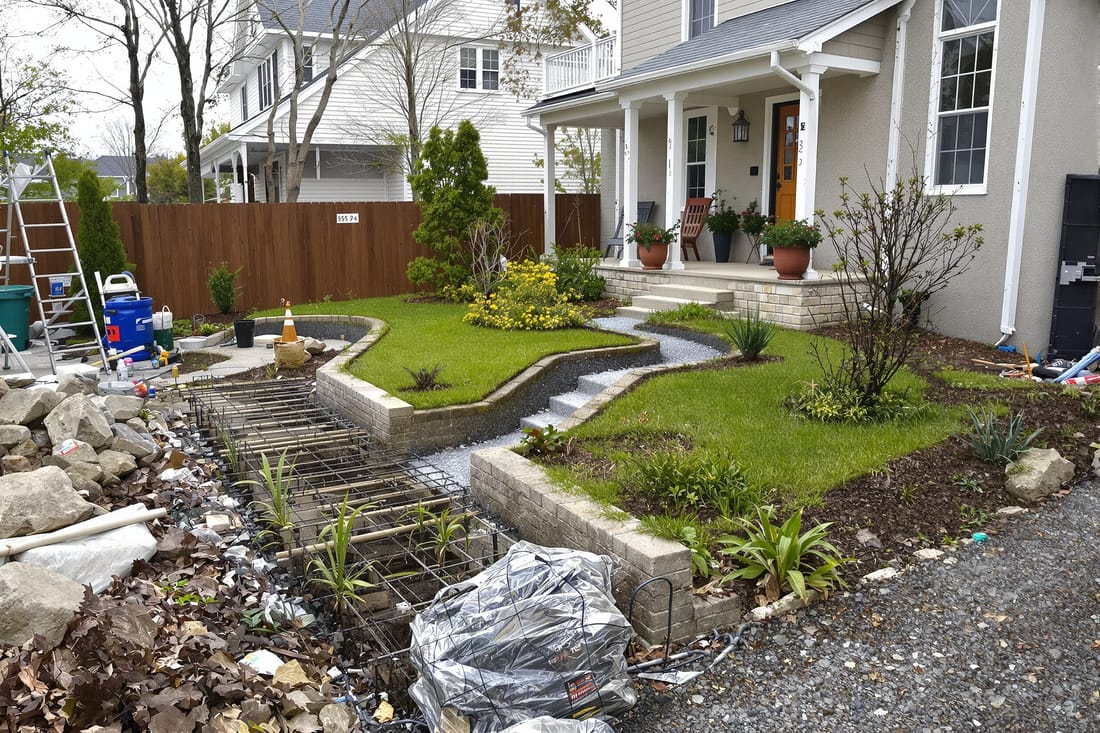
Stormwater swale and rain garden hydroseeding in San Diego
Functional drainage features only work if the vegetation lock them in place. At Legendary Hydroseeding San Diego, we design and install hydroseeded swales and rain gardens that move and infiltrate stormwater without eroding, silting in, or becoming weed patches.
Our focus is on the specific conditions of San Diego and coastal Southern California: intense but short storm bursts, long dry seasons, heavy clay or decomposed granite soils, and strict stormwater regulations. That means we do not just spray a generic lawn mix. We select seed, mulch, binders, and installation methods that help your swale or rain garden stay stable in a 2-year or 10-year storm, then survive months with almost no rainfall.
Whether your project is a single residential rain garden, a commercial parking lot retrofit, or a new subdivision with miles of bioswales, we build vegetation plans to match both the hydrology and your permit obligations. Every swale hydroseeding job starts with understanding how much water you need to move, where it is coming from, and how your soil behaves when saturated.
How our swale hydroseeding process works
Effective swale hydroseeding is more than spraying green material on a slope. Legendary Hydroseeding San Diego follows a defined sequence so your drainage system functions from the first real rain.
1) Site walk and grading review. We confirm that the swale or rain garden has proper slopes, check for low spots where water will pond too deep, and look for compaction that could block infiltration. If grading is not finished, we coordinate with your contractor so hydroseeding is scheduled after final shaping but before sediment builds up.
2) Soil preparation. In San Diego, we frequently see overcompacted clay, decomposed granite, or fill with construction debris. We request at least light scarification in the flow line and side slopes, then remove or rake out rocks and trash that would interfere with seed contact. Where required, we blend in compost or topsoil in planting zones for rain gardens to improve infiltration and root development.
3) Custom slurry design. We build a specific hydroseed slurry for each project that usually includes a swale or bioswale grass and native blend, fiber mulch appropriate for the expected flow velocity, tackifier (bonding agent) to resist washout, and starter fertilizer where allowed by your permits. For high velocity or long swales, we may include a higher tackifier rate or layered application with erosion control blankets.
4) Targeted spraying. We apply the slurry in a controlled pattern, starting with the upper slopes and working down into the flow line to avoid tracking across wet material. We pay special attention to inlets, outlets, check dams, and tight curves where water will try to cut new channels.
5) Final inspection and watering plan. At the end of the job, we walk the swale or rain garden with you, identify any vulnerable spots, and provide a practical watering and establishment schedule that fits local water restrictions and your irrigation system.
Seed mixes and materials tailored to San Diego stormwater projects
Legendary Hydroseeding San Diego does not use a one size fits all seed mix. We design blends that match your project type, aesthetic goals, and stormwater performance requirements.
For municipal and commercial bioswales, we often specify low growing grasses and sedges with strong root systems and good shear resistance, such as native or regionally adapted fescues, meadow grasses, and rushes. These provide dense cover without blocking sight lines or access for maintenance crews.
Residential rain gardens often combine native bunchgrasses for stability with seasonal wildflowers and pollinator friendly forbs for color. In high visibility areas, we can create a tiered planting strategy where hydroseed establishes the base layer and accent shrubs or larger natives are added as plugs and container plants.
Material choices matter just as much as the seed. In San Diego, our typical swale hydroseeding slurry uses a wood fiber mulch rather than paper, because it stays in place better in intense storm events. We adjust mulch application rates based on slope and design storm, and we add tackifier at levels proven to hold through short duration, high intensity rain. Where design documents require, we can incorporate compost blanket systems, coir or jute erosion control blankets, or rock check dams to work together with the hydroseeded vegetation.
If your project has specific agency requirements, such as Caltrans, local stormwater manuals, or biologist driven native plant lists, we match those specs and provide documentation of all seed species, origin, and application rates.
Rain garden hydroseeding and infiltration performance
A rain garden is only effective when plants, soil, and grading all work together. For San Diego properties, the goal is usually to slow and sink the first inch of rainfall, capture roof or parking lot runoff, and then drain down within 24 to 48 hours.
Before hydroseeding a rain garden, Legendary Hydroseeding San Diego verifies that the basin and side slopes are finished to the correct elevations and that any underdrains, overflow weirs, or rock spillways are in place. We then look at the soil profile. Many local sites have a compacted surface layer that prevents infiltration. Where possible, we recommend loosening this layer and incorporating compost in the planting zone.
Our rain garden seed mixes prioritize species that can tolerate both short periods of saturation and long summer drought. We often blend native grasses and forbs that handle San Diego's climate, then coordinate with your landscape contractor for installation of deeper rooted shrubs and accent species. This creates a multi layer root system that holds the basin edges, captures fine sediment, and maintains infiltration capacity.
Because many San Diego rain gardens are tied to stormwater permits, we also consider maintenance. We choose species that are not overly aggressive, that can be weeded without disturbing the whole basin, and that will not require heavy irrigation once established. We then provide written guidance on mowing or trimming schedules, weed control timing, and what to look for after the first major storms.
Common problems in San Diego swales and how we prevent them
We are often called to fix stormwater swales and rain gardens that were seeded or planted without considering local conditions. The most common failures we see are channelization where water cuts a new path down the middle of the swale, mulch and seed washed into the outlet after a single storm, standing water that kills vegetation, and thick weed growth that blocks flow and alarms inspectors.
Legendary Hydroseeding San Diego addresses these issues before they happen. To prevent channelization and washouts, we increase mulch density and tackifier in the flow line, and we coordinate with the civil engineer to place rock check dams or small grade breaks where the water will gain too much speed. On very steep side slopes, we may recommend installing erosion control blankets, then hydroseeding through or over them for extra reinforcement.
To reduce standing water problems, we look at finished elevations and compacted zones before we spray. If we see clear low spots or depressions that conflict with the grading plan, we flag them for correction so the rain garden drains correctly. When infiltration rates are slower than intended, we adjust species to include more tolerant plants in the basin bottom and faster establishing cover on the banks.
Weed pressure is especially high in disturbed San Diego soils. Our approach is to minimize bare soil by getting quick vegetative cover, then coach owners or maintenance crews on early weed removal during the first growing season. Where allowed, we can use nurse species that establish fast and outcompete many annual weeds while permanent natives or hardy grasses fill in.
Costs, timelines, and what affects your swale hydroseeding price
Swale hydroseeding is usually a small percentage of the overall project cost, but it has an outsized impact on performance and compliance. Legendary Hydroseeding San Diego prices each job based on several real world factors rather than flat per square foot numbers.
Key cost drivers include access and mobilization, since tight residential backyards or heavily built commercial sites may require smaller equipment and more labor time, total area and complexity of the swale or rain garden, including side slopes, flow lines, and adjacent disturbed areas that should be stabilized at the same time, seed mix specifications, especially fully native or specialty bioswale blends that have higher material costs, mulch and tackifier rates, which increase for steeper slopes, high velocity sections, or projects with strict erosion control requirements, and required documentation or testing for public or permit driven projects.
For scheduling, most residential and small commercial swale hydroseeding projects can be completed in a single visit once grading and soil prep are done. Larger subdivisions or multi phase projects may involve multiple mobilizations to align with construction sequences and BMP requirements.
In San Diego, timing also matters. We prefer to hydroseed swales and rain gardens before the main rainy season so plants can establish, but we can also use higher mulch and tackifier rates or temporary cover strategies if you must install close to an expected storm. During drought years or strict watering restrictions, we will discuss realistic establishment expectations and may recommend temporary irrigation solutions to protect your investment.
What to expect when you hire Legendary Hydroseeding San Diego
From the first call, our focus is on making your swale or rain garden work, not just making it look green for a few weeks. When you reach out, we ask for your plans or sketches, any stormwater permit conditions, and site photos if available. We then provide a clear proposal that spells out seed mix, mulch type, application rates, and any recommended prep work.
On the day of hydroseeding, our crew confirms site readiness, protects adjacent hardscape or structures from overspray, and applies the slurry in a controlled, even pattern. We keep you informed of any field adjustments, such as thicker applications in vulnerable areas or slight changes to mix based on actual site conditions.
After installation, we leave you with written care instructions tailored to San Diego's climate and your specific swale or rain garden layout. If your project requires vegetation establishment reports or sign off for inspectors, we can provide documentation of mix components and application dates.
If you are planning a new drainage project, retrofitting an existing property, or have a swale that has already failed, Legendary Hydroseeding San Diego can evaluate your options and design a practical, locally tested hydroseeding solution that supports both stormwater performance and long term landscape health.