Home › Soil Testing, Amendments, and Fertilization (Commercial)
We provide commercial hydroseeding soil amendments in San Diego, CA backed by lab soil testing. Our team interprets results and recommends lime, fertilizer, and engineered topsoil blends. Ensure large sites meet spec and support healthy turf growth from day one.
Legendary Hydroseeding San Diego provides professional commercial hydroseeding soil amendments throughout San Diego, CA, California and the surrounding area. Our licensed, insured crew delivers safe, clean, on-time work with a free estimate before anything begins. Call 619-693-1450 or request your free quote.
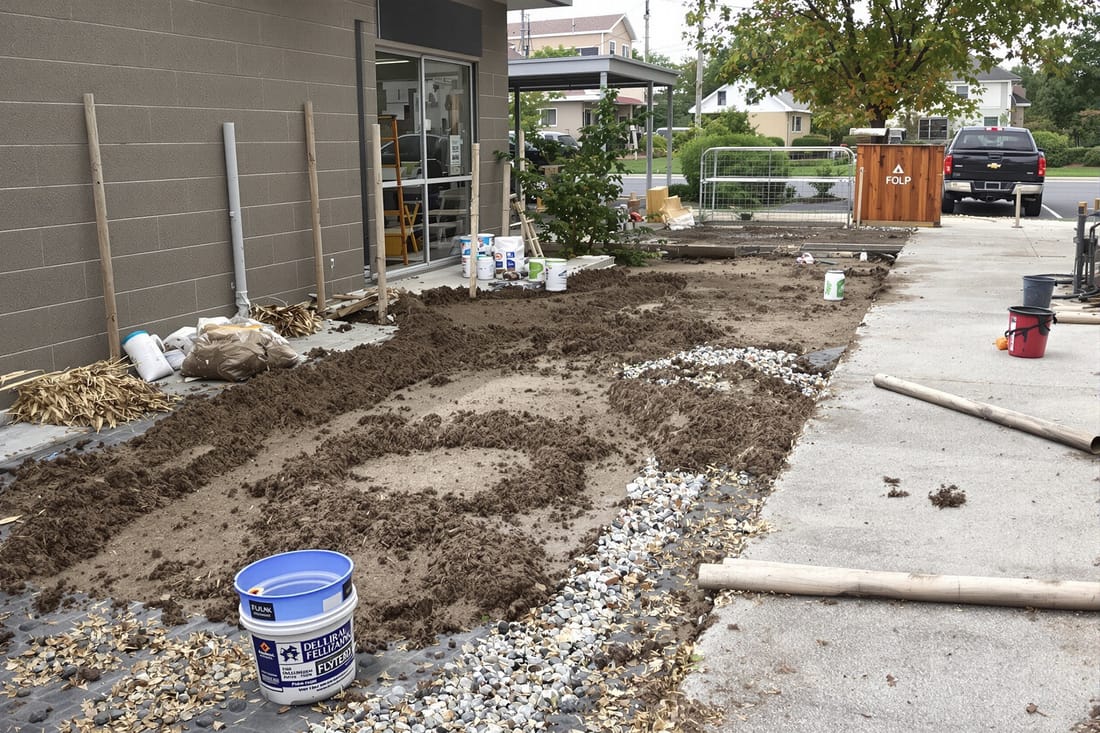
Commercial soil health solutions tailored to San Diego properties
Legendary Hydroseeding San Diego focuses on one thing for commercial sites: getting your soil right before any hydroseeding mix ever hits the ground. For business parks, HOA greenbelts, slopes along SR-56, or hotel and resort lawns, the difference between a thin, patchy stand of grass and a dense, erosion-resistant surface usually comes back to soil testing and targeted amendments.
San Diego soils range from decomposed granite in inland areas like Scripps Ranch and Poway, to clay-heavy pockets in Chula Vista, to sandy coastal bands in areas like Pacific Beach and La Jolla. Irrigation water quality also changes from site to site, especially on older commercial systems. Our commercial hydroseeding soil amendments service accounts for all of this. We analyze what is actually under your project, then select amendments and fertilization that support fast germination, deep rooting, and long-term turf health, not just a quick green-up.
For property managers, GC superintendents, and facility directors, this means fewer call-backs, less soil movement on slopes, and a landscape that survives water restrictions and heat spells better than a generic, one-size-fits-all approach.
Professional soil testing for commercial hydroseeding projects
Our commercial soil evaluation always starts with a structured testing protocol, not guesswork. On larger properties we grid sample, pulling cores from representative zones such as parking lot islands, perimeter slopes, playfields, and high-traffic entry areas. On smaller commercial pads we sample each distinct soil type or grading area. We typically collect samples from the top 4 to 6 inches where seed will germinate and roots will develop.
Samples are labeled by zone and sent to a certified soil lab that works with Southern California contractors. We request a commercial turf and erosion control panel that measures pH, organic matter, texture approximation, cation exchange capacity (CEC), salinity (EC), sodium hazard and specific nutrient levels like nitrogen, phosphorus, potassium, calcium, magnesium, sulfur, iron, manganese and zinc. When reclaimed water is used, we pay special attention to sodicity and chloride issues, because these are common in San Diego commercial landscapes.
Once lab results return, we overlay the findings on your site plan so you do not just receive numbers, you see exactly which parking lot berm or slope section needs which amendment. This allows us to create zone-specific recommendations that tie directly into your hydroseeding schedule and any erosion control requirements in your project specs.
Targeted soil amendments for San Diego commercial sites
After testing, Legendary Hydroseeding San Diego designs a soil amendment plan that fits your site conditions, timeline, and budget. For compacted or nutrient-poor decomposed granite, we often recommend incorporating screened compost, sometimes combined with gypsum to improve structure and water infiltration. On heavier clay zones, gypsum (calcium sulfate) is frequently used to help flocculate clay particles, reduce surface crusting, and improve root penetration, which is critical on slopes that must withstand intense winter storms.
For high pH or saline soils, which we encounter around industrial parks and reclaimed water systems, we may prescribe elemental sulfur or soil acidifiers to gradually move the pH toward a range where turf and native mixes can access nutrients. We also evaluate whether leaching with high-quality water is feasible within your irrigation system and local water use rules. Where sodium is excessive, gypsum is often combined with controlled leaching to move salts below the root zone.
Organic matter is usually low in freshly graded commercial pads, so we often specify a targeted organic amendment rate (for example, 2 to 3 cubic yards of compost per 1,000 square feet) that is then disked or roto-tilled into the top 4 to 6 inches. On steep slopes where mechanical incorporation is not possible, we may recommend a combination of surface-applied compost, specialized hydro-mulch blends with tackifiers, and micro-nutrient packages added directly to the hydroseeding slurry.
Fertilization strategies that support commercial performance
Commercial hydroseeding soil amendments are only complete when the fertilization plan matches the turf or seed mix and expected use. We factor in whether your project calls for a turf-type tall fescue blend, Bermuda-based sports turf, native grasses for slope stabilization, or low-water seed mixes for compliance with local water regulations. Each seed type has different nutrient needs and root development patterns.
For initial establishment, we typically use a starter fertilizer with a higher phosphorus component, provided your soil test does not show excessive phosphorus. This is often applied either pre-plant and lightly incorporated, or included in the hydroseeding slurry at a calculated rate. Nitrogen sources are selected based on your maintenance capabilities. On sites with dedicated landscape crews we may use a combination of quick-release and slow-release nitrogen to jump-start growth, then transition to a maintenance program. For absentee ownership or minimal on-site staff, we lean toward controlled-release fertilizers that reduce the risk of burn and limit the need for immediate follow-up.
We also design a 3 to 6 month fertilization schedule that coordinates with your irrigation programming and any city or HOA restrictions. On high visibility entries and common areas, we might schedule lighter, more frequent applications, while remote slopes might receive a single, well-timed controlled-release application built into the hydroseeding process to reduce long-term labor costs.
How the process works from bid to post-establishment
For commercial clients, our process is built to integrate with your construction schedule. During the bid phase, Legendary Hydroseeding San Diego reviews your plans, grading details, and any existing specifications. If soil testing is not already in the spec, we propose a testing and amendment allowance, so you are not stuck with generic rates if lab results show a real problem.
Before hydroseeding, we mobilize for sampling, usually during or just after fine grading, so results arrive before your final landscape and erosion control deadlines. We coordinate with your superintendent to avoid conflicts with other trades. Once lab data is in, we issue a written recommendations sheet that lists amendment types, application rates by area, and approximate costs. If amendments require incorporation, we confirm who will perform that work, your earthwork contractor or our crew.
On application day, we stage amendments and fertilizers so they are applied in the correct order. Bulk amendments such as compost or gypsum are spread and incorporated first. Granular fertilizers and micro-nutrient packages are then applied or loaded into the hydroseeding rig, depending on the plan. After seeding, we provide your facility team or landscape contractor with watering and follow-up fertilization guidelines specific to your soil and seed mix, not a generic schedule pulled from another climate.
Local factors that affect cost and performance in San Diego
Several San Diego specific variables drive the cost of commercial hydroseeding soil amendments. Soil condition is the biggest. Severely compacted fill or saline soils near the bay or around older reclaimed water systems can require more gypsum, compost, or pH correction materials than a lightly disturbed site. Slope steepness and access also matter. Slopes above 2:1 often limit mechanical incorporation, which can shift us toward higher-grade hydro-mulches and specialized nutrient packages.
Project size can help control unit costs. Large continuous areas like school fields or business park open space allow us to spread mobilization and lab fees across more square footage. Small, fragmented planting islands in dense commercial zones take more time to service and may slightly increase per-square-foot rates. Distance from our yard and material suppliers within the county, plus staging and parking constraints in busy commercial corridors, also play a role.
Local regulations and performance requirements are another factor. Projects subject to stormwater permits or municipal erosion control standards sometimes call for specific organic matter levels or documented soil improvements. Because we understand regional agency expectations, we can help you avoid change orders and rework later by recommending soil work that meets both functional and regulatory needs at the start.
Why commercial clients trust Legendary Hydroseeding San Diego
Legendary Hydroseeding San Diego is a local team that works commercial sites across the county every week, from coastal hotels to inland logistics parks. Our crews know the patterns, such as salt issues that show up around Mission Bay, or the hardpan layers that appear on cut slopes in East County. This experience allows us to spot potential soil problems during a simple walk of the site, even before the lab report arrives.
We emphasize communication and documentation, which property managers and GCs consistently tell us makes their job easier. Every soil testing and amendment project is backed by clear test reports, labeled site maps when appropriate, and straightforward recommendations written in plain language. When budgets are tight, we prioritize which amendments are essential for germination and long-term stability and which items can be phased or value-engineered without risking failure.
If you are planning a new commercial hydroseeding project in San Diego, or you manage a property where turf has struggled year after year, our soil testing, amendments, and fertilization service can give you a solid starting point instead of just treating symptoms. We are happy to visit the site, review existing issues, and outline a practical approach that respects your schedule and operating budget while building healthier soil from the ground up.