Home › Stormwater Management Facility Hydroseeding
Our stormwater facility hydroseeding in San Diego, CA vegetates bioretention basins, infiltration areas, and conveyance channels. We match seed mixes to wet and dry zones for long term performance. Achieve regulatory compliance and reliable stormwater function with stable vegetated surfaces.
Legendary Hydroseeding San Diego provides professional stormwater facility hydroseeding throughout San Diego, CA, California and the surrounding area. Our licensed, insured crew delivers safe, clean, on-time work with a free estimate before anything begins. Call 619-693-1450 or request your free quote.
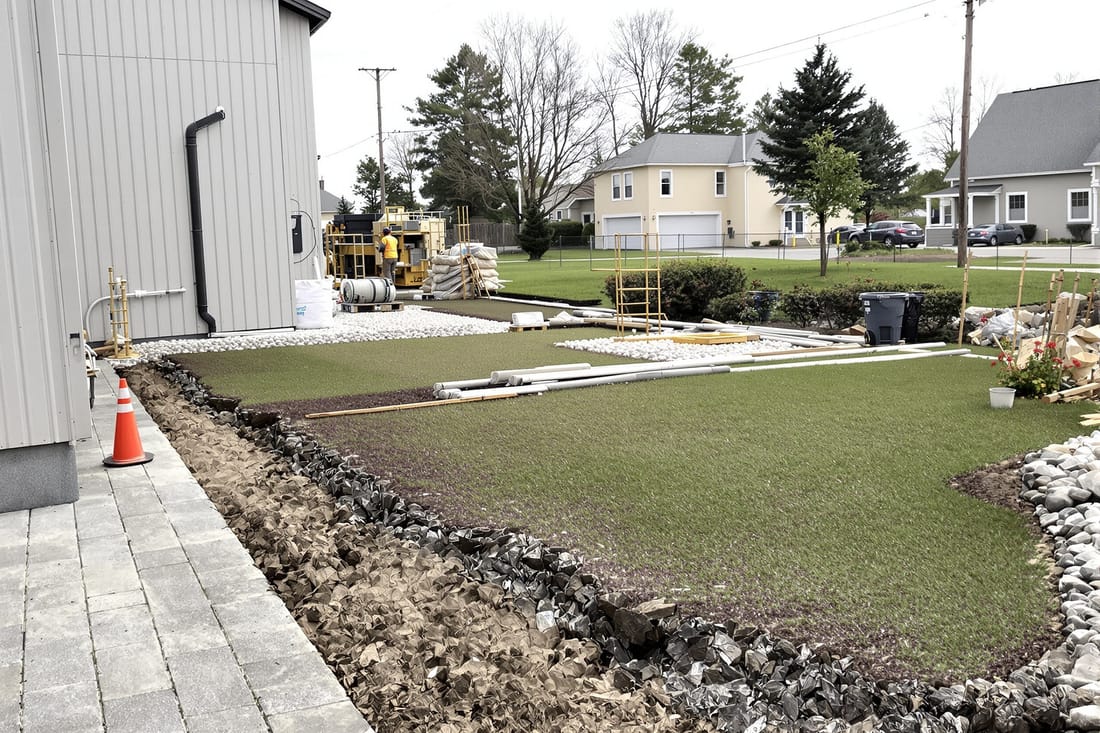
Stormwater facility hydroseeding tailored to San Diego sites
Stormwater facility hydroseeding is not the same as seeding a lawn. These sites are engineered systems and the vegetation has to support infiltration, protect slopes, and stay compliant with stormwater permits. At Legendary Hydroseeding San Diego, we focus on how the plant mix, application rate, and install timing work together with your drainage design, not against it.
In San Diego County, most stormwater facilities we hydroseed are detention or retention basins, bioswales, roadside channels, infiltration trenches, and manufactured treatment device surrounds. Many are tied to project-specific stormwater quality management plans and strict erosion and sediment control requirements. Our role is to establish a stable vegetative cover that controls erosion, filters runoff, and allows maintenance access.
Before we quote a job, we look at your plans, grading, and jurisdictional requirements (City of San Diego, Caltrans standards, county BMPs, or private industrial SWPPPs). We confirm required seed mixes, approved species lists, and cover performance targets such as minimum percent coverage or functional erosion control within a set number of days. That way what we install lines up with your civil plans and inspection expectations.
How stormwater facility hydroseeding is actually done
A typical stormwater facility hydroseeding project with Legendary Hydroseeding San Diego follows a sequence that keeps inspectors and owners on the same page.
1. Site evaluation and access planning. We walk the facility, identify access routes for the hydroseeder, confirm slopes, depths, and any soft or wet areas. For steep embankments or deep basins, we plan hose runs, safety zones, and staging areas for materials.
2. Surface prep and grading verification. Hydroseeding does not fix bad grading. We confirm the final grade is in place, sediment has been removed from basin floors, and side slopes are smooth, firm, and free of large clods, trash, and construction debris. If needed, we recommend scarifying compacted areas to improve infiltration and root penetration, especially on clayey imported fills.
3. Mix design. We build a job-specific tank mix that usually includes seed, fertilizer if allowed, tackifier, mulch, and sometimes soil amendments like gypsum. In some facilities we are required to omit fertilizer to protect receiving waters from nutrient loading. We match mulch type and application rate to your erosion potential and permit requirements.
4. Hydroseeding application. Using our truck-mounted hydroseeder, we apply the slurry in even, overlapping passes. For critical slopes or high flow areas, we may apply in two passes: a first pass for seed and soil contact, and a second heavier mulch pass for erosion control. We carefully avoid clogging inlets and outlets, and we keep vegetation out of concrete structures where it is not wanted.
5. Final walkthrough and care instructions. After application, we review the coverage with the owner or site superintendent, document the work, and provide watering and access recommendations that match the facility design and operation schedule.
Seed mixes, erosion control options, and compliance details
Stormwater facility hydroseeding in San Diego is heavily influenced by local climate and regulatory constraints. Our standard approach uses regionally appropriate native or drought-tolerant grasses and forbs that can withstand long dry periods, occasional inundation, and periodic maintenance activities.
We regularly install seed mixes that meet City of San Diego and County of San Diego stormwater standards, along with project-specific mixes supplied by civil engineers or landscape architects. Mixes might include deep-rooted native bunchgrasses for slope stability, quick-germinating cover species for early erosion control, and low-stature options where line-of-sight or maintenance access is important.
For erosion control, we select the mulch and tackifier package according to slope, soil, and inspection requirements. On mild slopes and basin floors, a standard wood fiber mulch with tackifier at prescribed pounds per acre is typically sufficient. On steeper embankments or high energy flow paths, we may recommend a bonded fiber matrix or high-performance tackified mulch system, sometimes in combination with erosion control blankets on the toughest sections.
We also consider maintenance requirements, such as mower access, sediment cleanout, and vector control. We plan species height, density, and rooting depth so that vegetation supports treatment performance but does not interfere with inlets, outlets, or maintenance crews.
Cost drivers and realistic timelines in San Diego
Stormwater facility hydroseeding costs depend on more than just the number of square feet. When we price a project, the main variables are access, slope, specified seed mix, and erosion control level.
Access is often the biggest driver. If our crew can reach most of the site with the hydroseeder truck, costs stay lower. If we must run long hose lines into deep basins, work around soft soils, or stage equipment in multiple locations, that adds time and labor. Steep slopes mean higher mulch rates, specialty erosion control products, and more careful application, all of which affect cost.
Seed mix complexity and material quality also matter. Native or custom-specified mixes, sterile hybrids, or special compliance-driven blends are more expensive than typical turf blends. Some projects require certified weed-free mulch or specific manufacturers for bonded fiber matrixes. We itemize these selections so you can see what is driving the total.
Timeline is tied to season and water availability. In coastal and inland San Diego, the best germination windows are typically fall through early spring when temperatures are moderate and some natural rainfall is expected. However, many construction schedules push hydroseeding into summer. In those cases, we plan for supplemental irrigation and realistic germination expectations so owners and inspectors understand that establishment might take longer.
Common problems we see and how we handle them
Stormwater facilities in San Diego face recurring issues that a simple grass seeding will not solve. At Legendary Hydroseeding San Diego we plan around these problems instead of reacting to them later.
One common issue is seed failure on overly compacted basin floors and slopes. If the soil is hardpan, water infiltration is poor and roots cannot establish. When we see this, we recommend scarifying, adding organic matter where allowed, and adjusting the seed mix to species that tolerate difficult soils. We document the conditions so owners understand the risk if prep work is skipped.
Another issue is hydroseed washed off before germination during a major storm. For high-risk areas, we may recommend phasing the application, using bonded fiber matrix or blankets on the most vulnerable slopes, and scheduling around forecasted heavy rain when possible. If damage occurs, we assess the affected areas, suggest targeted touch-up applications, and provide photos and notes to support your inspection responses.
Weeds and invasive plants are also a concern, especially around facilities that connect to natural drainages. We use clean seed sources and, when specified, certified mulch. We can coordinate with your landscape or maintenance contractor on a weed management plan that aligns with your permit, making sure early volunteer weeds are addressed before they spread.
Sediment buildup and damage from heavy equipment during cleanouts is another recurring reality. We design our hydroseeding approach so that vegetation can recover after periodic maintenance, often by choosing species that re-sprout from crowns or rhizomes and by keeping high value species out of the primary access lanes.
What San Diego facility owners and contractors should know before hiring
If you are responsible for a stormwater facility in San Diego, whether as a developer, GC, property manager, or public agency, there are a few points to sort out before hiring a hydroseeding contractor.
First, have your plans and stormwater requirements ready. We need to see grading, cross sections, seed specs, and any BMP notes tied to your SWPPP or stormwater quality management plan. This allows us to align our mix, mulch, and application rates with your approved documents and avoid rework after inspections.
Second, confirm who controls irrigation and access. Hydroseeding sets the stage, but establishment requires water and limited disturbance. If your facility relies solely on rainfall, we will be candid about the risks of off-season installs. If you have temporary irrigation or a water truck, we can give you a simple watering schedule that fits local restrictions and your budget.
Third, discuss your inspection schedule and performance criteria upfront. Many agencies require documented vegetative cover, sometimes quantified as a percentage or described as a uniform, dense grass cover. We can schedule our work to support your inspection windows, provide records of mixes and application dates, and recommend realistic timelines for achieving the required cover.
Finally, choose a contractor who understands both construction and long term operation of stormwater facilities. Legendary Hydroseeding San Diego works routinely with civil engineers, environmental consultants, and maintenance teams so what we install satisfies both the immediate erosion control needs and the long term functionality of your stormwater system.