Home › Construction Site Erosion Control Hydroseeding
Our construction erosion control hydroseeding in San Diego, CA keeps your mass graded slopes and pads stable and compliant. We provide temporary and permanent stabilization for SWPPP and NPDES requirements. Rely on rapid response, detailed reporting, and clean installations around active work zones.
Legendary Hydroseeding San Diego provides professional construction erosion control hydroseeding throughout San Diego, CA, California and the surrounding area. Our licensed, insured crew delivers safe, clean, on-time work with a free estimate before anything begins. Call 619-693-1450 or request your free quote.
Hydroseeding for Construction Erosion Control in San Diego
Construction in San Diego moves fast, but bare soil on a disturbed site can wash away in a single storm. Legendary Hydroseeding San Diego focuses on construction erosion control hydroseeding that matches local soils, slopes, and weather patterns, so your job site stays compliant and stable from grading through final inspection.
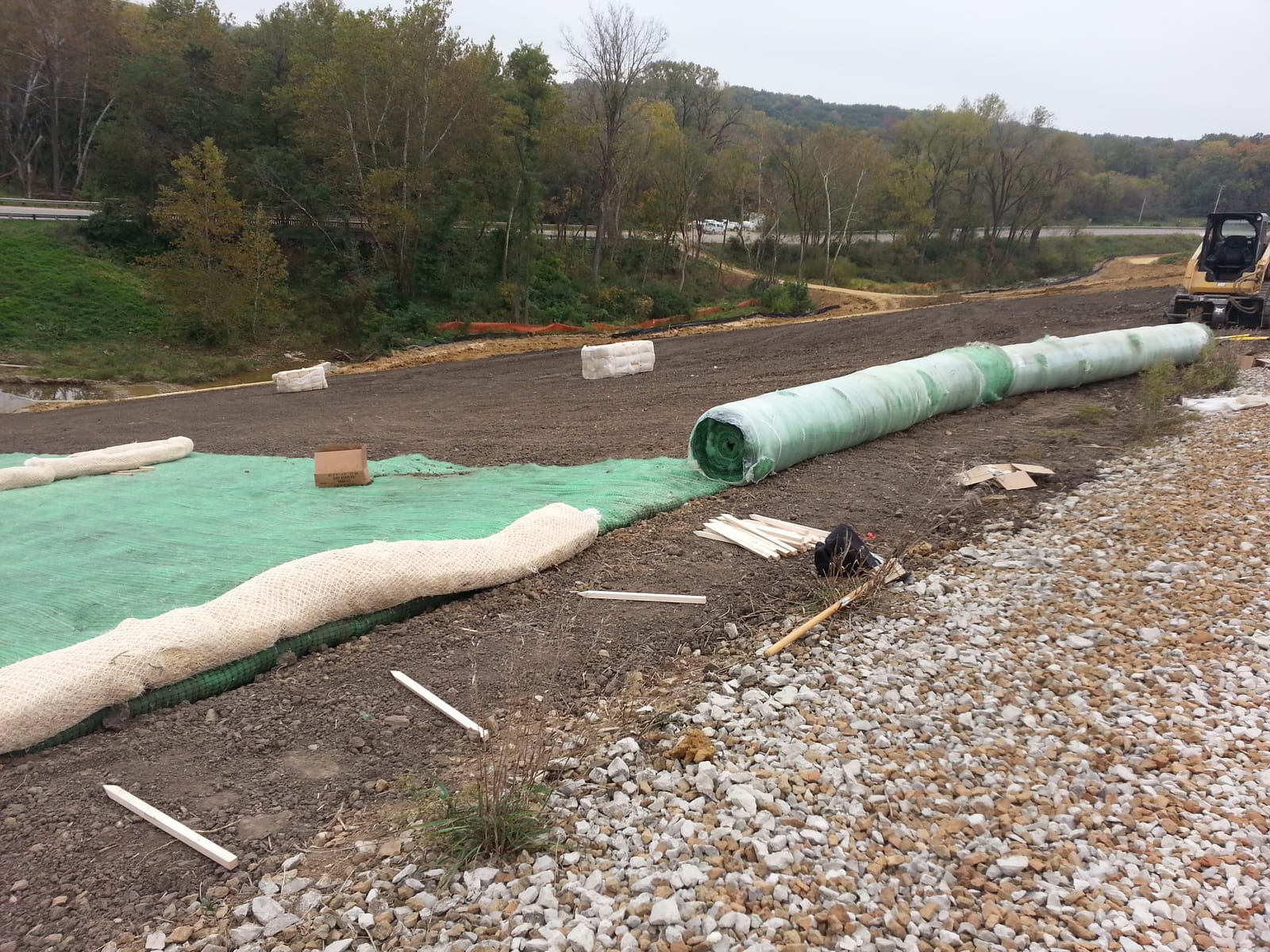
Instead of relying only on straw wattles and plastic sheeting, we use hydraulic seeding equipment to spray a slurry of seed, mulch, tackifier, fertilizer, and soil amendments over exposed soil. The mulch and tackifier form an immediate protective layer that resists rain impact and surface runoff, while the seed mix is selected to establish dense vegetation that anchors the soil for the longer term.
Because we work only in San Diego County, we know which slopes in places like Santee, Chula Vista, and Escondido will crust and shed water, and which coastal sites near Pacific Beach will struggle with salty winds and sandy soil. We design our hydroseeding approach around those realities so you are not stuck redoing failed erosion control right before a storm event or inspection.
How Construction Erosion Control Hydroseeding Works Step by Step
On a construction project, timing and coordination matter. When you bring in Legendary Hydroseeding San Diego, we start with a walk of the site with your superintendent or project manager. We identify priority risk areas such as downslope property lines, drainage swales, and stockpile locations, then compare them with your grading and utility schedule so our hydroseeding is applied when the soil is ready and will not be disturbed again.
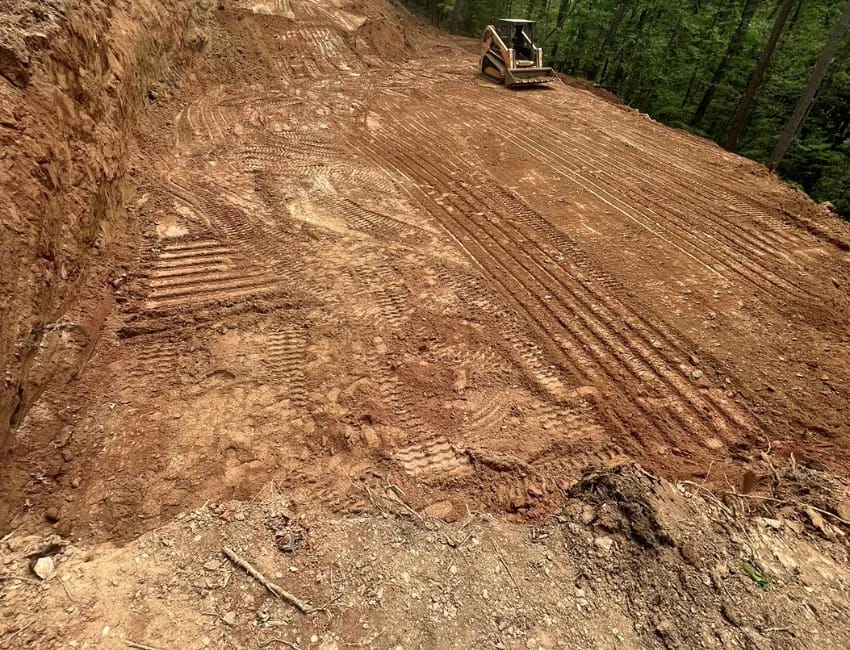
Next, we verify soil preparation. Hydroseeding sticks best and germinates fastest on reasonably smooth, scarified soil. We ask your crew to remove large rocks and debris, knock down deep ruts, and finish grade to final or near final elevations. On compacted pads or access roads that must be stabilized temporarily, we may recommend light ripping or track walking on slopes so the slurry has microgrooves to bind into instead of sitting on a hard crust.
We then load our hydroseeding tank with water, fiber mulch, seed blend, fertilizer, tackifier, and any project specific amendments. Materials are measured to match specified application rates, usually in pounds per 1,000 square feet or per acre, and the mixture is agitated until it becomes a consistent slurry. Our crew applies the slurry using hoses or turret nozzles, starting at the top of slopes and working down so overlap is consistent and no bare gaps are left.
After application, we inspect for holidays (thin or missed spots) and treat those immediately. We walk the site with you to confirm coverage meets any agency or project specifications, then provide watering and protection guidelines tailored to how long the area must remain stable and whether it is a temporary or permanent treatment.
Materials and Hydroseed Mixes for San Diego Construction Sites
Construction erosion control hydroseeding is not a one mix fits all service. Legendary Hydroseeding San Diego maintains several standard blends that we customize for individual jobs depending on soil type, slope, and permit requirements.
For temporary stabilization on active sites, we often use fast establishing annual grasses and sterile hybrids that create quick cover within 7 to 14 days in warm months. These species give good root mass but will not become long term weeds. For permanent stabilization or to match local habitat mitigation requirements, we build mixes that include deep rooting perennial grasses, native wildflowers, and shrubs that are known to perform in San Diego's Mediterranean climate.
Mulch selection also matters. On relatively flat pads and gentle slopes, a standard wood or paper fiber mulch at moderate application rates is often enough to protect the soil surface. On steeper slopes or south facing cuts that get intense sun, we may move to a heavier wood fiber mulch or a bonded fiber matrix system that forms a stronger mat when cured. Tackifiers, usually plant based polymers, are added at higher rates when storms are forecast or when we are working over particularly erodible decomposed granite or loamy sands.
We also account for local irrigation availability. On sites where permanent irrigation will not be installed, we may incorporate water holding polymers and soil conditioners to help seedlings survive the typical San Diego dry spells between watering cycles, especially in inland valleys and foothill areas where temperatures are higher.
What Drives Cost on a Construction Hydroseeding Project
Developers and contractors often ask why bids for construction erosion control hydroseeding can differ so much. The main drivers are coverage area, slope difficulty, material choices, site access, and schedule constraints.
Coverage area is measured in square feet or acres, and this directly controls how much seed, mulch, and tackifier are needed. However, a 2 acre flat pad near Otay Mesa with wide access lanes costs less per acre to treat than a 2 acre series of steep cut slopes along a road widening in Rancho Bernardo. Steeper or taller slopes require more labor time, extra hose work, anchoring, and higher mulch and tackifier rates to meet performance goals.
Material selection is another major factor. Bonded fiber matrix systems, native seed blends, or specific agency required mixes cost more than simple annual grass mixes. If your project has a Storm Water Pollution Prevention Plan (SWPPP) with exact specifications or Caltrans style seed and mulch rates, we follow those precisely, which may increase material volume compared to a basic erosion control approach.
Access plays a big role on infill sites in urban San Diego neighborhoods. If trucks can back directly to the application area, we work faster with less hose and labor. If we must run long hose lines around existing structures, over retaining walls, or down narrow side yards, we account for extra labor time and pumping effort. Night work or compressed schedules before forecast storms also affect pricing because we may need to stage additional crews or equipment.
When we quote, Legendary Hydroseeding San Diego provides line items that show acreage, typical application rates, and any special materials so you can see exactly how the cost is built and adjust scope if needed.
Common Construction Site Challenges and How We Handle Them
Real world construction rarely lines up perfectly with plans. Legendary Hydroseeding San Diego structures our erosion control hydroseeding service to adapt to shifting schedules and site surprises that are typical in San Diego projects.
A frequent issue is unexpected rain during grading season. If a storm is approaching and your site is still being cut or filled, we can prioritize the most vulnerable slopes and drainage paths first. We often stage temporary equipment and materials during the rainy months so we can respond quickly when superintendents call with last minute coverage needs.
Another challenge is highly compacted or rocky soil, common in hillside projects in La Jolla, Del Cerro, and Alpine. Hydroseeding alone will not solve underlying compaction, so we may recommend light mechanical treatment by your earthwork crew or the use of specific soil amendments that help break up surface crusting. We discuss these options before application to avoid poor germination and spotty coverage.
Wind exposure is also a concern, especially on coastal or ridge top sites. We schedule applications during lower wind periods when possible, use nozzle settings that minimize drift, and adjust mulch and tackifier rates so the slurry adheres quickly. On very tall slopes, we may combine hydroseeding with erosion control blankets or netting to create a hybrid system that holds during both wind and heavy rain.
Inspection and compliance pressures are real on public and private projects. We are familiar with local stormwater requirements, construction general permits, and how city and county inspectors typically interpret stabilization. Our documentation can be used as part of your SWPPP records to show that cover was installed with appropriate application rates and materials.
Local Knowledge That Protects Your Schedule and Compliance
San Diego's microclimates mean a construction erosion control hydroseeding plan that works in Oceanside may fail in El Cajon. At Legendary Hydroseeding San Diego, we match our methods to the specific conditions of your project location so vegetation establishes predictably and soil stays put.
Coastal sites near the bay and beaches often have mild temperatures, marine layer fog, and sandy or sandy loam soils. These areas usually benefit from mixes that tolerate salt spray and wind, with an emphasis on species that germinate well in cooler conditions. Inland valleys and foothills, like Poway, Lakeside, and Jamul, see hotter temperatures and faster drying soils, so we select more drought tolerant and deep rooting species and may increase mulch rates to buffer surface moisture.
We also pay attention to seasonal timing. Hydroseeding in late fall before the main winter rains can be very effective in San Diego, while late summer seeding on exposed inland slopes may require careful watering plans to succeed. When you involve us early in the project planning stage, we can suggest windows for best results and contingency plans if grading pushes into a less favorable season.
Our crews are based in the county, so mobilization is flexible. If you need quick touch up work after utility trenching or final punch list grading, we can usually return without long lead times. That local responsiveness reduces the risk of uncovered soil sitting exposed during a surprise storm or inspection.
What to Expect When You Work With Legendary Hydroseeding San Diego
When you choose Legendary Hydroseeding San Diego for construction erosion control hydroseeding, we treat your site like part of our own community. Before work starts, we review your plans, SWPPP requirements, and any special agency conditions. We verify staging areas for our trucks, water access points, and a clear sequence that fits your other trades.
On the day of application, our crew checks in with your superintendent, flags sensitive areas, and confirms that soil preparation and access meet safety and quality needs. We set boundaries for our hoses so we do not interfere with active equipment paths or damage freshly installed improvements. During application, a lead technician monitors material use, slope coverage, and weather conditions so we can adjust techniques in real time.
After completion, we provide basic care instructions, usually focused on watering schedules and restricting traffic over treated areas. For ongoing or multi phase projects, we can schedule follow up visits to assess germination and coverage, then spot treat any damage from subsequent construction activities. If inspectors request documentation, we can provide application dates, areas treated, and material details to support your compliance paperwork.
Our goal is long term stability, fewer call backs, and a clean record with regulators. By combining local field experience with careful planning, Legendary Hydroseeding San Diego helps your construction site reach final stabilization faster and with fewer surprises.