Home › Native and Wetland Restoration Hydroseeding
Our native restoration hydroseeding in San Diego, CA helps rebuild disturbed wetlands, riparian corridors, and habitat buffers. We apply diverse native grass and forb mixes, tailored to moisture and elevation zones. Support erosion control and ecology in one combined treatment.
Legendary Hydroseeding San Diego provides professional native restoration hydroseeding throughout San Diego, CA, California and the surrounding area. Our licensed, insured crew delivers safe, clean, on-time work with a free estimate before anything begins. Call 619-693-1450 or request your free quote.
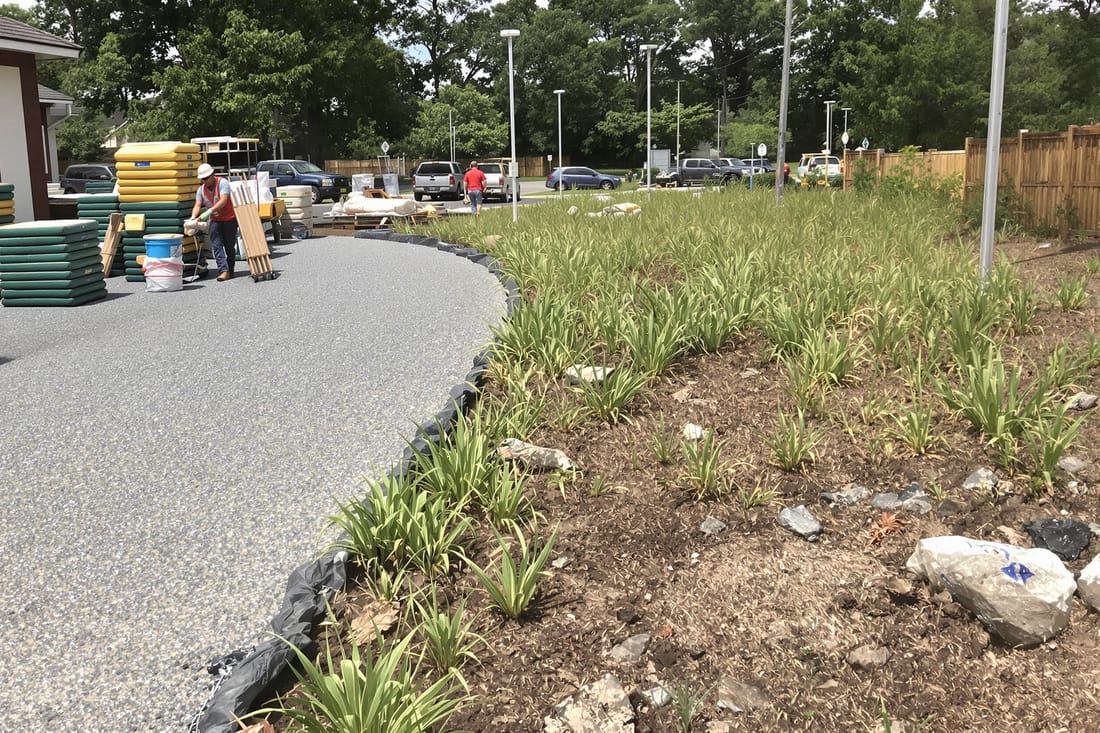
Native restoration hydroseeding that fits real San Diego sites
Native and wetland restoration hydroseeding is different from putting in a lawn. At Legendary Hydroseeding San Diego, we focus on reestablishing plant communities that belong in Southern California, especially in and around San Diego’s coastal, riparian, and seasonal wetland areas. Our work often supports mitigation requirements, habitat restoration plans, or erosion control projects tied to permits.
We start by looking at how your site functions today. That includes drainage patterns, existing vegetation, bare or eroded slopes, soil compaction, and how often water is present. A seasonal drainage swale in Santee needs a different seed mix than a saline-influenced wetland pocket near Mission Bay. We match the plant palette to your hydrology zones, such as permanently wet, seasonally saturated, and upland transition.
Our goal is to give you a realistic, buildable hydroseeding plan that matches regulatory expectations and can actually be maintained on your budget. We explain up front what is achievable in our dry coastal climate, how long it will take for native species to establish, and what level of weed control and monitoring is needed to keep agencies and property stakeholders satisfied.
Site assessment and preparation for native and wetland work
Native restoration hydroseeding succeeds or fails based on preparation. Before any hose is pulled out, our team walks the site, flags sensitive areas, and identifies invasive plants like Arundo, castor bean, ice plant, and mustard. If these are not controlled first, they will outcompete your native seedlings and waste your investment.
We coordinate clearing and grubbing, targeted herbicide treatments when appropriate, and mechanical removal in sensitive zones where chemicals are not allowed. In many San Diego wetland and riparian projects, timing of weed control is critical. For example, we often schedule initial treatments in late summer or early fall, then a follow-up prior to the first significant rains.
Soils in our region are often compacted DG, clay, or imported fill. For restoration hydroseeding, we typically rough grade to break up compaction, then create micro-contours that slow runoff and hold moisture. On steeper slopes, we may specify track walking, contour ripping, or installation of fiber rolls and check structures before we seed. In low-lying wet areas, we avoid over-compaction from heavy equipment and may incorporate organic amendments only where allowed by the restoration plan.
Custom native and wetland seed mixes for San Diego conditions
The seed mix is the foundation of any restoration job. Legendary Hydroseeding San Diego does not use a single standard mix for all jobs. Instead, we build custom blends around your approved plant list and the real microclimate of the site. A coastal wetland near Imperial Beach, influenced by marine air and salt, needs different species than a seasonal inland wet meadow in Escondido.
Typical native restoration hydroseeding for San Diego wetland or riparian transition areas may include grasses like Creeping wildrye (Elymus triticoides), meadow barley (Hordeum brachyantherum), and alkali barley, along with wildflowers and forbs such as yarrow, California poppy in upland fringes, and select buckwheats. Where appropriate, we add sedges and rushes for wetter zones, such as Baltic rush (Juncus balticus) or slender sedge (Carex senta), depending on project specs.
We work directly with reputable native seed suppliers so that species are locally appropriate and sourced to meet agency guidelines whenever possible. Every mix is documented by percentage and application rate. If you are working under a mitigation or restoration plan, we align our mix with that document and coordinate with your biologist or engineer. We can also include temporary sterile cover species at low rates to hold soil while slower native perennials establish, which is important on exposed banks after large grading operations.
Hydroseeding process, mulch choices, and erosion control
Hydroseeding for native and wetland restoration is more than spraying green slurry. We adjust our tank mix to match the site conditions, rainfall expectations, and permit requirements. A typical restoration mix includes native seed, tackifier, fiber mulch, and sometimes mycorrhizal inoculants. On sensitive wetland soils, we avoid products with unwanted weed seed or high nutrient loads that can favor invasives.
For gentle slopes and protected wetland benches, we often use standard wood fiber mulch with a high quality tackifier to hold everything in place until germination. On steeper or highly erodible slopes above wetlands, we may use a bonded fiber matrix or hydraulically applied compost blanket that creates a more stable surface and improves moisture retention. These higher performance products cost more, but they significantly reduce rilling and loss of seed during the first major storms.
Where the restoration plan calls for additional structural erosion control, we coordinate hydroseeding with installation of straw wattles, coir logs, or biodegradable erosion control blankets. In many San Diego projects, we hydroseed first, then install blankets and stake them, making sure the seed and mulch are below the fabric where they can stay moist and protected. We also watch the weather closely and avoid applying to bare slopes right before a heavy storm that could wash material into sensitive waters.
Timing, irrigation, maintenance, and realistic expectations
San Diego’s Mediterranean climate makes timing critical for native restoration hydroseeding. Most projects are ideally seeded in the fall, typically from late October through early January, so winter rains can drive germination and reduce the need for supplemental irrigation. When schedules or permits push seeding later, we may recommend temporary irrigation, especially for upland transition areas.
Permanent wetlands or areas with high groundwater may not need irrigation, but seasonal wetlands and adjacent slopes usually benefit from a controlled water source during the first dry spell. We design watering schedules that encourage deep rooting instead of shallow, frequent watering. For large projects, we often coordinate with temporary irrigation systems or water trucks that can reach remote access roads and basins.
Maintenance is where many restoration projects fail. After hydroseeding, we recommend a written maintenance plan that covers weed control, access management, and monitoring. In San Diego, fast-growing invasives like annual grasses and mustard can dominate in a single season if ignored. We discuss realistic expectations with you: which areas should look green in the first year, where natives will appear slowly, and how long it may take to reach coverage and species composition targets outlined by your biologist or permitting agency.
Costs, permitting realities, and how we support your project team
The cost of native restoration hydroseeding in San Diego depends on more than just square footage. Access constraints, required mulch type, seed specifications, erosion control measures, and the level of coordination with other contractors all influence pricing. Wetland and riparian projects often require specialized products and more mobilizations, which can increase unit cost compared to a standard slope hydroseed.
Legendary Hydroseeding San Diego is accustomed to working on projects tied to permits from the City of San Diego, County of San Diego, Regional Water Quality Control Board, and California Department of Fish and Wildlife. We understand that documentation matters. We can provide seed tags, application logs, photos, and coverage maps to support your reporting requirements.
During estimating, we ask direct questions about your restoration or mitigation plan, target species list, final grading elevations, and any specified performance standards. This helps avoid change orders later. We coordinate with biologists, civil engineers, and general contractors so that our part of the work lines up with monitoring schedules, punch lists, and closeout requirements. If you are early in planning, we can give you ballpark cost ranges for different mulch systems and seeding approaches, so you can budget realistically and avoid cutting critical items like erosion control that protect your restoration investment.