Home › Solar Farm and Energy Project Hydroseeding
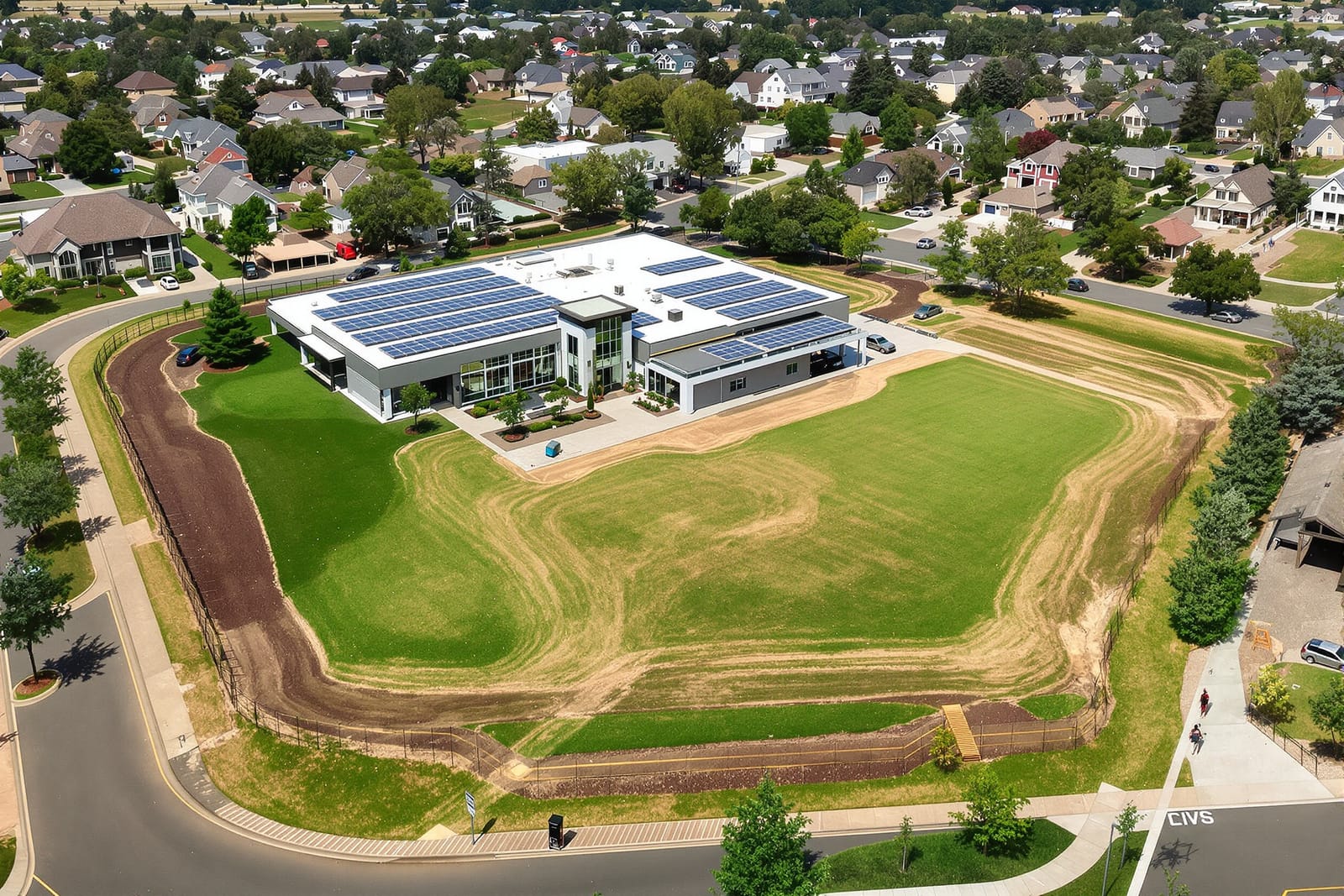
Our solar farm hydroseeding in San Diego, CA stabilizes soil under and around energy arrays, access roads, and laydown yards. We use low growing, low maintenance mixes that reduce mowing near equipment. Protect infrastructure from erosion while managing vegetation height and density.
Legendary Hydroseeding San Diego provides professional solar farm hydroseeding throughout San Diego, CA, California and the surrounding area. Our licensed, insured crew delivers safe, clean, on-time work with a free estimate before anything begins. Call 619-693-1450 or request your free quote.
Solar farm hydroseeding tailored to San Diego energy sites
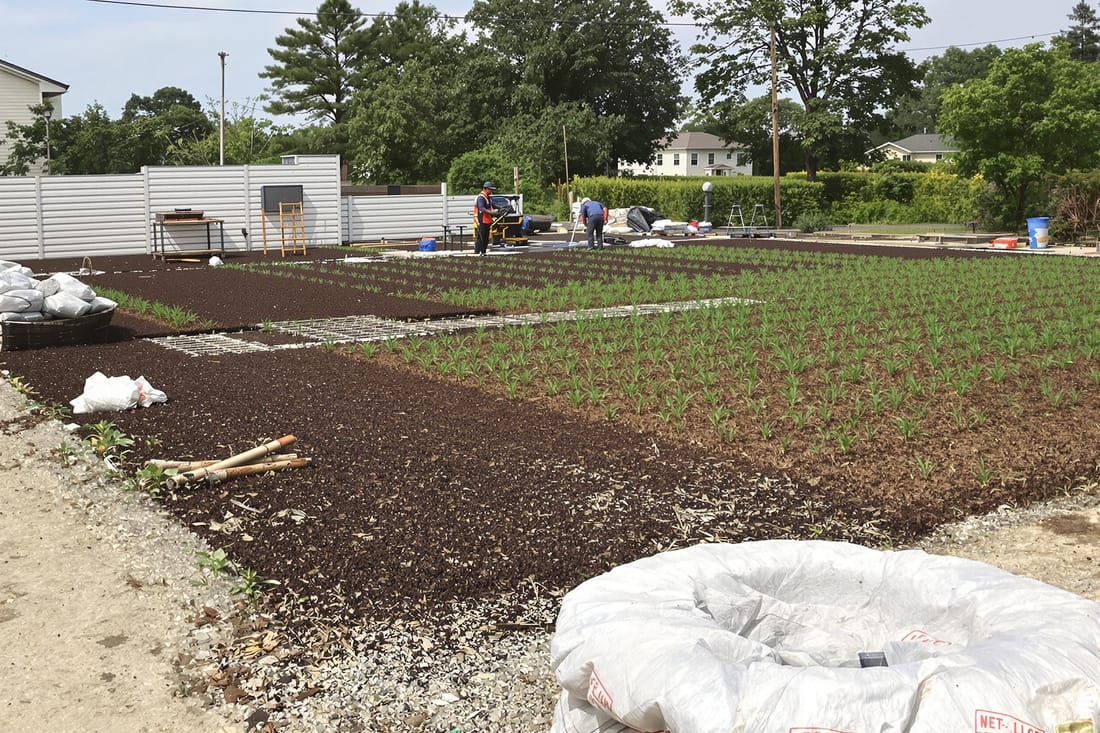
Solar farm hydroseeding is not the same as seeding a park or front yard. At Legendary Hydroseeding San Diego, we design each mix and application around how your solar or energy site is graded, how water moves across it, and what the project permits require. Our goal is simple: stabilize soil around your arrays, control dust, and minimize vegetation interference with panels and access roads.
On a typical solar farm or battery storage site, we start by reviewing your civil plans, grading sheets, and stormwater documents. We look at slopes, drainages, cable trenches, inverter pads, and perimeter roads. For San Diego County projects, we also review any habitat or fuel modification requirements from the County, City, or CPUC-related conditions. This upfront review lets us propose specific hydroseeding zones, like slow‑growing low cover under panels, higher biomass mixes on outer slopes for erosion control, and hardy groundcover along access drives.
Instead of a generic seed blend, we build mixes that account for panel shading patterns, drip line, and maintenance access. On long north‑south running arrays, we often specify deeper‑rooting natives in the sunny aisles and more shade‑tolerant grasses between rows. Your site engineer gets a clear outline of which mix goes where, how much water is needed for establishment, and how this ties into your stormwater Pollution Prevention Plan (SWPPP).
How the solar farm hydroseeding process works on your site
Once the plans are confirmed, the first field step is site preparation. For new builds, we hydroseed soon after final grading and trench backfill, but before sediment crusts form on the soil. Our crew walks the site with your superintendent to mark underground utilities, sensitive habitat buffers, and no‑spray areas such as inverter pads and O&M buildings.
We lightly scarify or track compacted areas where possible to improve seed‑to‑soil contact, especially on slopes near retention basins, perimeter fencing, and raised cable routes. If there is existing vegetation that must stay, such as preserved habitat zones, we flag and work around those areas to keep compliance intact.
Hydroseeding itself uses a large tank that blends water, seed, mulch, tackifier, and soil amendments. For solar farms, we typically use a bonded fiber matrix or high‑tack mulch that resists wind and concentrated runoff from panel drip lines. The crew applies the slurry in a controlled pattern so coverage is even around racking posts, cable trays, and junction boxes. We keep overspray off panels and electrical equipment and coordinate with your electrical contractor on safe working distances.
After the first pass, we walk key areas like drainage swales, outlet protection, and steep slopes to confirm coverage and add a second pass where needed. For larger utility‑scale sites east of San Diego, we may stage multiple fill points and use off‑road hydroseeders to reach remote arrays without tracking over freshly treated soil.
Seed mix design for energy projects in San Diego County
San Diego solar farm hydroseeding is driven by a few local realities: long dry seasons, intense UV, periodic heavy storms, and strict erosion and habitat rules. Legendary Hydroseeding San Diego develops mixes that balance these factors with your operations and maintenance needs.
For many projects, we recommend a tiered approach. Under and between panels, we typically specify low‑growing, non‑woody species with good root depth and low fuel load, which keeps fuels management and fire risk in check. Along outer slopes, swales, and detention features, we increase native content and deep‑rooting grasses to anchor the soil. Where conditions require habitat restoration, we work with biologists to include approved native forbs and grasses that match your permit conditions.
Material options vary by zone. On coastal or mesa sites, we often mix drought‑tolerant natives like purple needlegrass with adapted sterile hybrids that establish quickly but do not spread aggressively. For inland valley and foothill projects like those near Ramona or Alpine, we may favor more heat‑tolerant species and add mycorrhizal inoculants to help roots cope with poor, compacted fill.
We also adjust tackifiers and mulch levels based on slope and expected storm intensity. Steep cut slopes, areas beneath panel drip lines, and outlets from detention basins may get higher mulch rates or a stronger bonded matrix. These decisions directly impact cost, but they typically pay off by avoiding slope failures, regrading, and SWPPP violations during the first rainy season.
Cost drivers, scheduling, and compliance considerations
Solar farm hydroseeding costs in the San Diego area depend on several practical factors: acreage, number of separate seed mixes, site access, and erosion control requirements. Simple, open sites with a single mix and good access cost less per acre than complex projects broken into many zones with strict environmental constraints.
Access is a major cost driver that customers often overlook. If panels are already installed and drives are limited, we may need smaller hydroseed units and more staging moves, which adds labor. On the other hand, if we can hydroseed just after final grading and before racks go up, production is faster and costs per acre are lower. Deciding whether to seed before or after racking is something we talk through with your team, because it affects schedule and rework risk.
From a compliance perspective, we pay close attention to SWPPP requirements, inspection timing, and any conditions of approval tied to vegetation cover. In San Diego County, many inspectors look for a specific percentage of vegetative cover on disturbed areas by the end of the first rainy season. To support that, we document application rates, mix components, and provide simple maps showing where each mix was installed, so you have what you need for reports and inspections.
If permits require a certain percentage of native species, or limits on certain non‑native grasses, we design accordingly and provide seed labels so your environmental consultant can verify compliance. For projects in fire‑sensitive zones, we also consider fuel modification zones and coordinate with your fire consultant so the hydroseeded vegetation does not conflict with fire access or clearance rules.
What to expect after hydroseeding and how we prevent common problems
Hydroseeding is only half the job. The other half is early establishment and realistic maintenance. At turnover, Legendary Hydroseeding San Diego provides a simple, site‑specific establishment plan that covers irrigation expectations, mowing windows, and what to watch for during the first major storm.
On non‑irrigated solar farms, especially east of I‑15, germination is usually timed to fall rains. We discuss timing with your team so we hydroseed when soil temperatures and forecasted precipitation offer the best chance of success. If your construction schedule forces a late season application, we may adjust species and rates or suggest a temporary annual nurse crop to protect soil until the main mix establishes.
Common problems on energy projects include rill erosion below panel drip lines, washouts in steeper channels, and patchy germination in highly compacted areas such as equipment paths. To prevent these, we may recommend adding straw wattles or compost socks at intervals on steeper slopes, and we sometimes increase mulch and tackifier in high‑risk zones. If issues appear during the first rainy season, we can spot‑treat with additional hydroseed or apply a stronger erosion control blanket in the affected areas.
Vegetation height conflicts with panel clearance and conduit are another predictable issue. That is why we favor low‑growing species under panels, and we provide mow height guidelines so your maintenance crew does not scalp the site and create bare dirt. We also flag any areas where herbicide should not be used, for example near drainage outfalls or habitat buffers.
Before you hire any contractor for solar farm hydroseeding, make sure they can read civil plans, understand San Diego County stormwater and habitat constraints, and show you at least one comparable energy project they have completed. Our team is used to working within utility and EPC safety protocols, coordinating with multiple trades on site, and delivering the documentation your owner and regulators will ask for over the life of the project.