Home › Hydromulching and Bonded Fiber Matrix
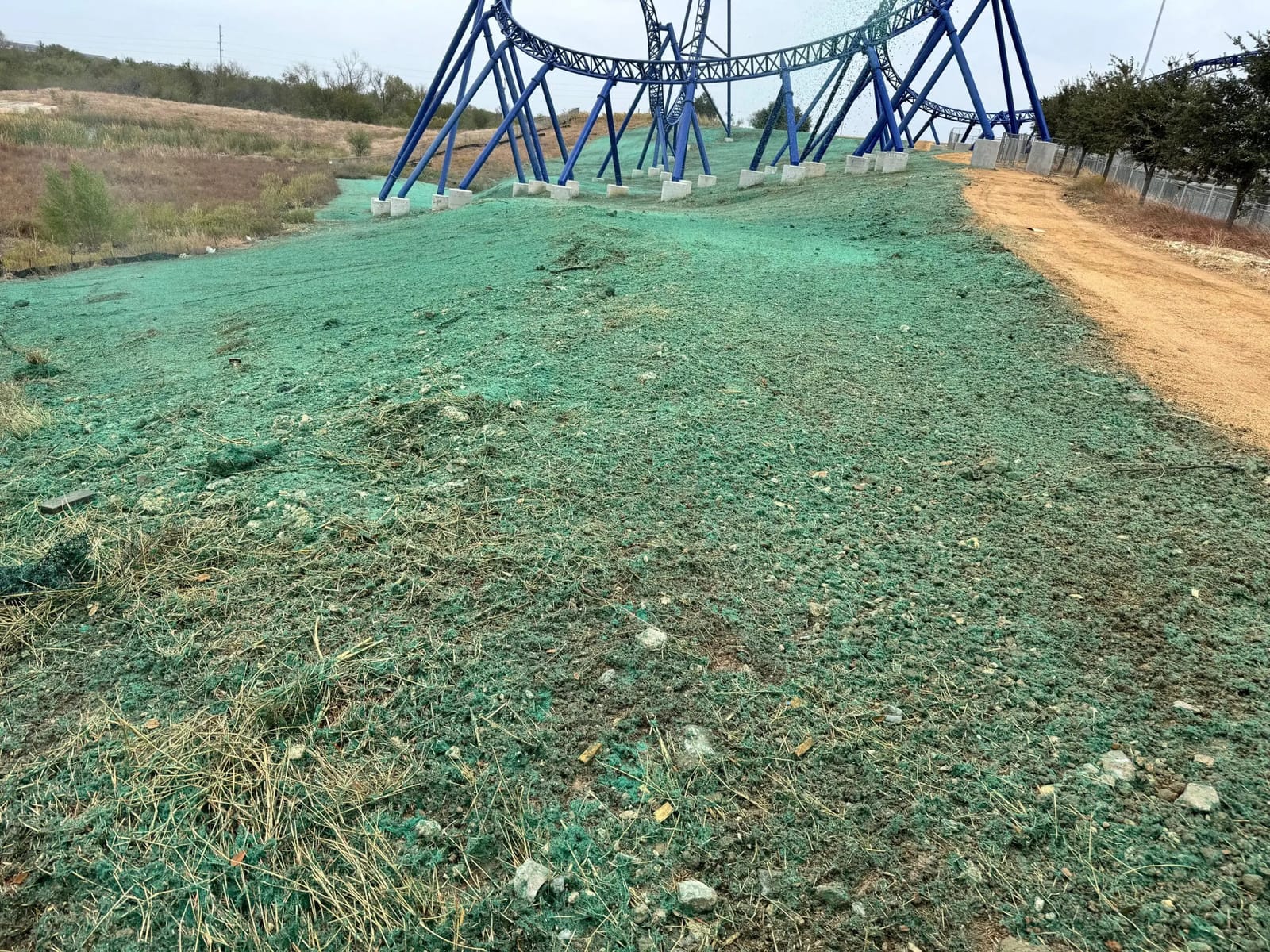
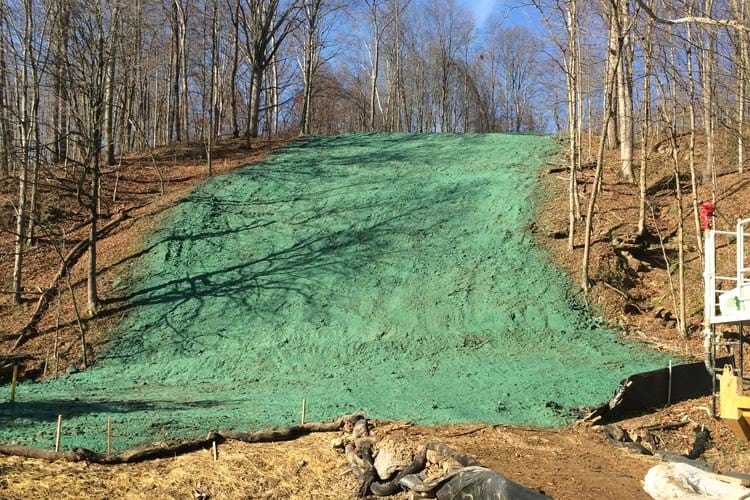
We provide hydromulching services in San Diego, CA including bonded fiber matrix systems for extreme slopes and channels. Our high performance mulches create a tough, erosion resistant blanket that stays in place during heavy storms. Ideal where standard hydroseeding is not enough.
Legendary Hydroseeding San Diego provides professional hydromulching services throughout San Diego, CA, California and the surrounding area. Our licensed, insured crew delivers safe, clean, on-time work with a free estimate before anything begins. Call 619-693-1450 or request your free quote.
Hydromulching & Bonded Fiber Matrix for San Diego Slopes and Lawns
Legendary Hydroseeding San Diego provides hydromulching services and bonded fiber matrix (BFM) solutions designed specifically for our coastal and inland San Diego conditions. Whether you are stabilizing a steep slope in La Mesa, creating a new lawn in Clairemont, or protecting bare soil on a construction site in Chula Vista, we match the product and application method to your site so it performs in our hot, dry summers and short, intense winter rains.
Hydromulching uses a slurry of mulch, tackifier, and sometimes seed and fertilizer, sprayed under pressure to blanket exposed soil. A bonded fiber matrix is a heavier duty version that uses longer fibers and stronger binders to lock together into a flexible “blanket” once cured. We choose between standard hydromulch and BFM based on your slope, soil type, erosion risk, and whether your main concern is vegetation growth, erosion control, or both.
From the first walkthrough to the final inspection, our goal is simple: stop your soil from washing away, help your plants establish quickly, and give you clear expectations about what will happen, when it will happen, and how to maintain it once we are done.
How Our Hydromulching Services Work Step by Step
Every project with Legendary Hydroseeding San Diego starts with an on site assessment. We look at slope angle, soil structure, access for equipment, drainage patterns, existing vegetation, and your goals. For example, stabilizing a 2:1 slope above a driveway in Escondido requires a different mix and application rate than seeding a flat backyard in Mission Valley.
Once we understand your site, we choose the right materials. Typical hydromulching includes shredded wood or paper mulch, a tackifier (glue like binder), water, and often a seed blend and starter fertilizer. For steeper or high risk areas, we switch to a bonded fiber matrix with longer wood or synthetic fibers and higher binder content. BFM is applied at heavier rates so it forms a continuous layer with no bare spots.
Before any spraying, we prepare the soil. This can include rough grading, removing large rocks and debris, lightly scarifying compacted areas, and sometimes adding amendments like compost or gypsum. Good soil contact is crucial. If the slurry sits on a hard, slick surface, it can sheet off during a storm.
Application is done with a hydroseeding rig using hoses or a turret gun, depending on access. We apply in overlapping passes to avoid thin areas. On critical slopes, we often do two lighter passes instead of one heavy pass to prevent sliding. At the end, we inspect coverage from multiple angles to make sure you have a continuous protective layer, especially along edges, drainage paths, and at the top of slopes where erosion often starts.
For some projects, we divide the application into zones. For instance, the upper slope may get a stronger BFM for erosion control, while flatter lower areas may get a standard hydromulch with a more diverse seed mix. This zoning approach can save cost while still protecting the areas that are most vulnerable.
Hydromulch vs Bonded Fiber Matrix: What Fits Your San Diego Property
Hydromulching is usually the right fit for residential lawns, gentle slopes, and areas where the main goal is establishing vegetation. It is cost effective, covers large areas quickly, and when paired with the right seed mix, can give you a dense stand of grass or native plants. In San Diego, we often use hydromulch for new front yards, park strips along sidewalks, and gently sloped side yards.
Bonded fiber matrix is the better choice when erosion control is the priority. It adheres more strongly to the soil, resists higher rainfall intensity, and stays in place on slopes in the 2:1 to 1.5:1 range where regular hydromulch can slide. BFM is commonly used on canyon rims, cut slopes next to new driveways, and disturbed hillsides behind homes in areas like Rancho Bernardo, Poway, and Santee.
Our team at Legendary Hydroseeding San Diego will talk you through the tradeoffs. Standard hydromulching generally costs less per square foot and is quicker to install. BFM costs more due to heavier material use, stronger binders, and extra care during application, but it can prevent far more expensive damage like undercut slopes, foundation exposure, or sediment clogging your drains. Sometimes the best solution is a combination, using BFM where failure would be serious and hydromulch in less critical zones.
We also consider your timeline. If you need immediate erosion control during the rainy season but plan to plant shrubs later, we might use an unseeded BFM as a temporary shield, then return to cut small holes for your plants. If you want a permanent vegetated cover, we select a seed mix compatible with the mulch or matrix type so germination and root penetration are not hindered.
Materials, Seed Choices, and Seasonal Timing in San Diego
San Diego’s climate creates specific challenges for hydromulching services and bonded fiber matrix work. Most of our meaningful rainfall arrives between roughly November and March, with hot, dry conditions dominating late spring through fall. That schedule drives our recommendations for timing and materials.
For projects where seed germination is important, the best windows are typically early fall (September through November) and late winter (February through early April), depending on the forecast. Cooler nights and occasional rains help seeds sprout without the extreme evaporation we see in summer. If a client must install in mid summer, we strongly recommend enhanced mulches or BFM with higher water holding capacity and a clear irrigation plan.
We offer several seed options. These include drought tolerant turf blends for lawns, native and California friendly mixes for slopes that need low maintenance cover, and quick establishing annuals that provide fast green coverage while longer lived species take hold. On coastal sites exposed to salt spray or wind, we adjust species accordingly. On interior sites with heavier clay, we may choose deeper rooting grasses to help break up the soil.
Our mulches are typically wood fiber based for longer term stability, though paper fiber blends can be used on gentler terrain where cost is a priority. We select tackifiers that remain flexible. This is important in San Diego because intense sun can make some binders brittle, leading to cracking and rilling. With BFM, we use products designed to withstand both high UV exposure and the short, heavy bursts of rainfall that our storms often bring.
During our consultation, we will outline what your specific mix will contain, how it behaves in local conditions, and what kind of establishment period to expect given the month and your irrigation setup.
Costs, Common Problems, and How We Prevent Failures
Hydromulching and bonded fiber matrix pricing in San Diego depends on several factors: square footage, slope steepness, access for hoses or equipment, material choice, and whether soil preparation is needed. Gentle, easily accessed lawns with standard hydromulch are on the lower end of the cost range. Steep slopes that require BFM, hand dragging long hose runs, or working around obstacles are more expensive per square foot.
At Legendary Hydroseeding San Diego, we give itemized quotes that separate soil prep, hydromulch or BFM material and application, and optional extras such as erosion control blankets in critical spots or follow up reseeding. This helps you see where your money is going and decide where to invest more heavily.
There are common issues that can affect performance if not addressed. One is poor soil preparation. Hardpan or very compacted surfaces prevent the slurry from bonding and can cause it to slide during the first rain. We prevent this by scarifying and, when needed, adding amendments to improve surface texture. Another issue is inadequate coverage, particularly at the top of slopes and along edges. We train our crews to double check these areas and to overlap passes to avoid thin spots.
Water management is another key factor. In some cases, especially on un-irrigated slopes, clients expect hydromulch or BFM alone to produce lush vegetation without any water. In our dry climate, that is rarely realistic. We discuss irrigation options, minimum watering schedules for germination, and what to expect if irrigation is limited. For areas where irrigation is not possible, we may focus the design on erosion control first, using seed mixes that can wait for natural rains to germinate.
Finally, we schedule work with weather in mind. Applying a standard hydromulch the day before a big winter storm is risky. For vulnerable sites, we either upgrade to BFM that can resist immediate rainfall, install earlier, or delay until the front passes. Our team monitors forecasts and will be up front with you if conditions are not safe for installation or likely to jeopardize performance.
What to Expect When You Hire Legendary Hydroseeding San Diego
When you contact Legendary Hydroseeding San Diego for hydromulching services or a bonded fiber matrix project, we begin with questions about your property, your goals, and your timing. If the site is complex or involves a slope, we will schedule a site visit so we can see the terrain, measure accurately, and discuss options on the ground.
You receive a written proposal that spells out the materials (including whether we are using hydromulch or BFM, and at what application rate), the seed mix if applicable, any soil preparation work, and a rough schedule. We outline what you will need to do before we arrive, such as having irrigation ready, clearing personal items from the work area, and ensuring access for hoses.
On installation day, we review the plan one more time with you, then our crew prepares the soil and begins applying the slurry. We work carefully around property lines, landscaping, and structures. When the application is complete, we walk the site with you to review coverage, show you critical areas, and explain what the mulch or matrix will look like as it cures.
You also receive aftercare instructions. For seeded projects, this includes watering guidance by season, mowing or trimming timelines, and what early growth should look like in San Diego conditions. For erosion control focused projects, we explain what normal wear looks like after storms, signs that the system is working, and when to call us if you notice undermining, rills, or damage.
Our focus is on predictable results and clear communication. Hydromulching and bonded fiber matrix work is a technical service, but our role is to make it understandable so you can make informed decisions to protect your property and invest wisely.