Home › Landfill and Mine Reclamation Hydroseeding
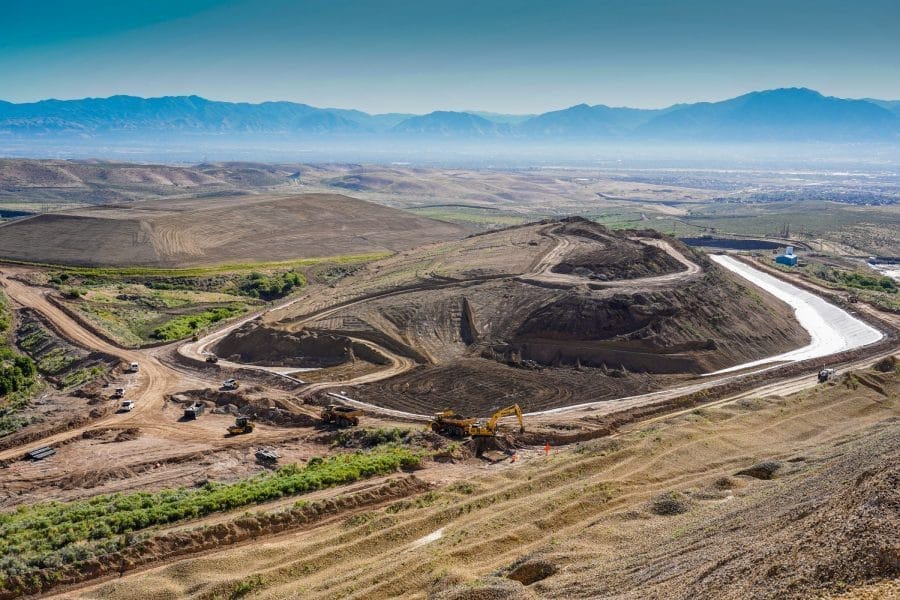
Our landfill reclamation hydroseeding in San Diego, CA restores capped landfills, quarries, and industrial sites with durable vegetation. We design seed and mulch specs to handle harsh soils, slopes, and long term stabilization needs. Improve compliance and appearance on challenging sites.
Legendary Hydroseeding San Diego provides professional landfill reclamation hydroseeding throughout San Diego, CA, California and the surrounding area. Our licensed, insured crew delivers safe, clean, on-time work with a free estimate before anything begins. Call 619-693-1450 or request your free quote.
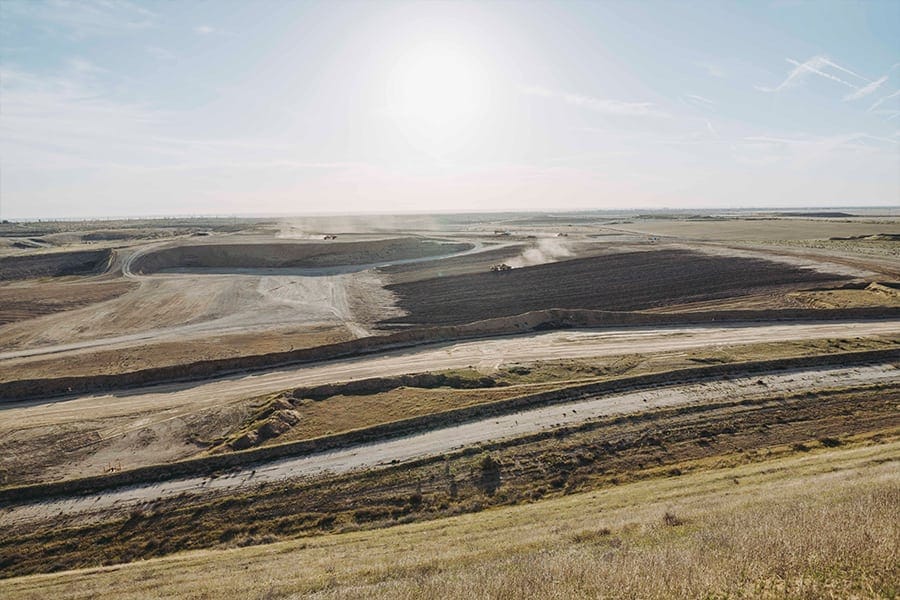
Landfill reclamation hydroseeding tailored to San Diego sites
Legendary Hydroseeding San Diego designs landfill and mine reclamation hydroseeding projects around the realities of Southern California slopes, wind, and limited rainfall. Our focus is to stabilize disturbed ground, control erosion, and establish sustainable vegetation that meets regulatory requirements and is practical to maintain.
San Diego County has a mix of active landfills, closed municipal sites, and legacy borrow pits with decomposed granite, compacted cover soils, and high pH conditions. These are not standard landscaping jobs. We evaluate existing cap systems, surface compaction, drainage features, and exposure to coastal or inland winds before we specify any hydroseeding mix or application rate.
For every landfill reclamation hydroseeding project, we coordinate with your environmental consultant or engineer of record so that the seed mix and erosion control treatments align with closure plans, stormwater pollution prevention plans (SWPPPs), and post closure monitoring requirements.
Our step by step landfill and mine reclamation process
First, we complete a site walk with your team to confirm acreage, access routes, slopes, soil conditions, and safety requirements. On active or recently closed landfills, we identify gas vents, monitoring wells, and drainage structures so those areas are protected during hydroseeding and not buried under mulch.
Next, we address soil preparation. Reclamation sites are often machine compacted and low in organics. Where allowed by your engineer, we recommend light surface scarification or track walking on slopes, targeted decompaction in bench areas, and import or blending of a compost rich top dressing in critical establishment zones. On lined caps we follow strict depth limits to avoid disturbing the cover system.
Once the surface is ready, we calibrate our hydroseeding equipment to the specified mix. A typical landfill reclamation hydroseeding application includes site specific native seed, custom fertilizer formulations, tackifiers to bind the slurry, and fiber mulch. For steeper slopes or areas subject to intense stormwater flow, we often apply a two pass system: a first pass of seed, fertilizer, and tackifier, then a second pass of heavier mulch or a bonded fiber matrix for added erosion resistance.
After application, we confirm coverage and thickness at test plots and sensitive areas, then document as built conditions with photos and application records for your compliance files.
Native and drought tolerant seed mixes that satisfy regulators
San Diego reclamation projects usually require seed mixes that are native or regionally appropriate. Legendary Hydroseeding San Diego works with local seed suppliers who stock species that are proven on coastal bluffs, inland chaparral, and foothill environments.
Typical landfill reclamation hydroseeding mixes may include native grasses like Elymus condensatus (giant wild rye), Stipa pulchra (purple needlegrass), and Nassella lepida, combined with quick establishing nurse species such as annual rye for short term cover. For mine or borrow pit reclamation in interior valleys, we may shift toward more drought tolerant bunchgrasses and hardy forbs that can handle thin, rocky soils.
Where your biological or CEQA documents call for specific species, we custom blend to match those requirements, including separate line items for temporary cover species and long term natives. We also consider seed predation from local wildlife and may adjust seeding rates or timing to improve successful establishment without overspending on seed.
If your site is near sensitive habitat, we coordinate with biologists to ensure the hydroseeding mix supports long term restoration goals rather than creating a permanent weed problem.
Erosion control solutions for steep caps and mine slopes
Reclamation slopes in San Diego often exceed a 3:1 gradient and are exposed to seasonal high intensity storms. On these surfaces, basic hydroseeding is rarely sufficient. Legendary Hydroseeding San Diego designs erosion control strategies that match slope length, soil type, and rainfall patterns.
For long, steep landfill side slopes we typically specify a bonded fiber matrix or high performance hydraulic mulch, applied at higher rates to create a thick, interlocked mat. On critical channels, down drains, and slope transitions, we may pair hydroseeding with erosion control blankets, turf reinforcement mats, or rock energy dissipation at outfalls. Our crews are trained to install these systems so that seams, overlaps, and anchor trenches perform as intended.
Mine reclamation often involves highly erodible decomposed granite and overburden piles. We may design a bench and slope system that breaks up flow paths, then hydroseed each lift separately so vegetation can establish before upslope water hits it. We coordinate our schedule with your grading contractor to minimize the time disturbed soils are left unprotected.
These designs aim to reduce rilling, gully formation, and sediment loads that can threaten SWPPP compliance and downstream infrastructure.
What affects the cost of landfill reclamation hydroseeding
Several specific factors drive pricing for landfill and mine reclamation hydroseeding in San Diego County.
Access and water supply are usually the biggest variables. If our hydroseeding trucks can stage close to the work area and there is an on site water source with good pressure, costs are lower. If we need to shuttle water with smaller support vehicles, pump long distances, or operate within tight access windows due to landfill operations, labor and equipment time increase.
Slope and application type also affect price. Flat or gently rolling closure caps that only need a standard mulch application cost less per acre than steep side slopes that require bonded fiber matrix or multiple passes. Specialty native seed mixes, particularly species that are hard to source or in limited supply, are more expensive than basic erosion control blends.
Regulatory requirements matter as well. Projects that require detailed as built documentation, separate applications for multiple seed zones, or night or weekend work to avoid landfill traffic can carry higher mobilization and management costs. We break these components out clearly so you understand what you are paying for and can prioritize where to invest your budget for the best performance and compliance outcomes.
Common challenges on San Diego landfill and mine sites and how we solve them
Local reclamation projects face recurring problems: wind, limited rainfall, compacted soils, and invasive weeds. Legendary Hydroseeding San Diego addresses these issues directly in our designs and field practices.
High coastal and mesa top winds can strip light mulch from fresh hydroseed applications. To counter this, we adjust fiber type and application rates, use tackifiers with higher binding strength, and schedule work in lower wind periods whenever the operational schedule allows. On very exposed ridgelines we may recommend staged applications so that we can monitor performance before treating the entire slope.
Low rainfall and compacted caps can slow germination. We often incorporate soil amendments that are approved for use over landfill covers, such as composted green waste and slow release fertilizers with low leaching potential. Where feasible, we design temporary irrigation plans for critical slopes or amenity areas, using quick connect headers or portable sprinkler systems that can be removed once vegetation is established.
Invasive species such as mustard and non native grasses are another concern. We aim to start with a clean seed bed, coordinate timing with your weed control contractor, and specify mixes that fill ecological niches quickly so there is less room for invasives to dominate. Early monitoring during the first two growing seasons is crucial, and we provide guidance on spot treatment and re hydroseeding if needed.
Work with a reclamation focused hydroseeding contractor
Hydroseeding for landfill and mine reclamation is a specialized discipline that sits between environmental compliance, heavy civil construction, and restoration ecology. Legendary Hydroseeding San Diego is structured to work within that overlap.
Our team is used to operating under landfill safety protocols, coordinating around active tipping decks, and working within the constraints of cap and liner systems. We understand that missed deadlines can affect regulatory milestones and that poor vegetation establishment can delay closure certification.
When you contact us, we review your closure drawings, specifications, and permit requirements before pricing. We can assist with seed mix recommendations, product substitutions when specified materials are unavailable, and realistic scheduling keyed to San Diego rainfall patterns. Our goal is to deliver landfill reclamation hydroseeding that performs in the field and stands up to agency review.
If you are planning closure or post closure improvements at a landfill or reclaiming a quarry or borrow pit in San Diego County, involve us early. Solid planning, correct product selection, and precise application will reduce rework, control costs, and help your site transition from exposed soil to stable vegetated cover as efficiently as possible.