Home › Commercial Site Preparation, Grading, and Topsoil
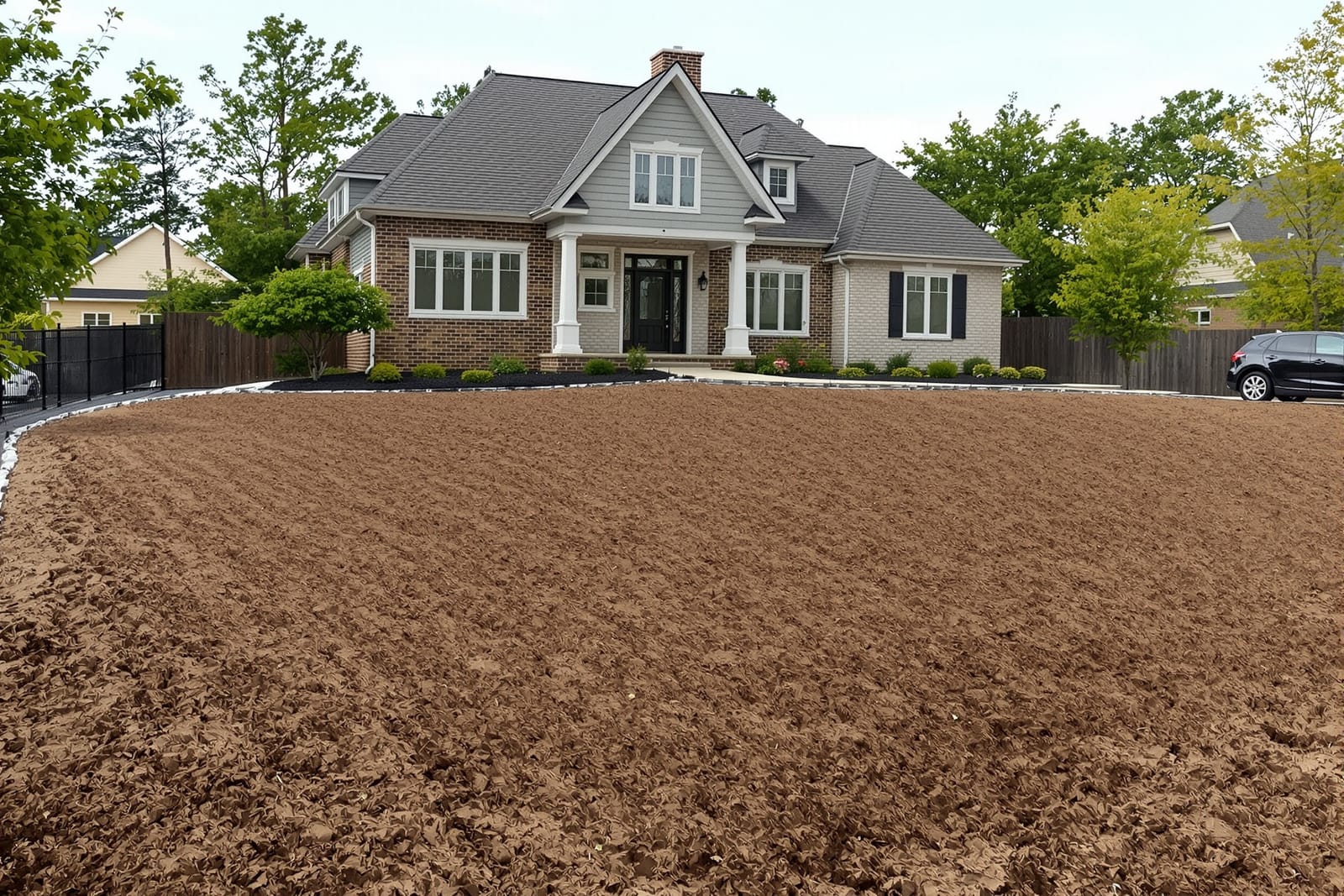
Our commercial hydroseeding site prep in San Diego, CA includes mass grading support, topsoil placement, and fine grading. We coordinate with earthwork crews to leave seeding areas smooth, compacted appropriately, and free of debris. Set up your project for excellent turf establishment.
Legendary Hydroseeding San Diego provides professional commercial hydroseeding site prep throughout San Diego, CA, California and the surrounding area. Our licensed, insured crew delivers safe, clean, on-time work with a free estimate before anything begins. Call 619-693-1450 or request your free quote.
Commercial Hydroseeding Site Prep That Actually Sets Your Project Up To Succeed
If you want hydroseeding to hold on a commercial site in San Diego, the surface beneath it has to be right. Legendary Hydroseeding San Diego focuses on commercial hydroseeding site prep, grading, and topsoil so your seed mix has a stable, nutrient rich base and water moves where it should.
We work on business parks, public works, slopes along freeways, school campuses, solar farms, and new subdivisions across San Diego County. Our crews are used to the local mix of decomposed granite, clay pockets, and fill material that comes with grading in this region. That on the ground experience matters, because what works in a flat Midwest field does not hold up on a Mission Valley slope or a Chula Vista pad cut.
Instead of treating site prep as an add on, we build the work plan around what the future vegetation and erosion control need. That means balancing cut and fill for drainage, specifying imported topsoil only where existing soils cannot be corrected, and coordinating with other trades so your schedule does not get blown up. Every commercial hydroseeding site prep project starts with a walk of the site and soil review, not just a quote off drawings.
How We Prepare Commercial Sites Before Grading or Hydroseeding
A typical project with Legendary Hydroseeding San Diego follows a clear sequence so you know what is happening and why.
1) Site evaluation and soils review: We walk the property, note slopes, access, existing vegetation, and any drainage structures. We look for typical San Diego issues such as hardpan layers that prevent infiltration, old fill from previous construction, or salt contamination near the coast. When needed, we bring in basic lab soil tests to confirm texture, pH, and organic matter.
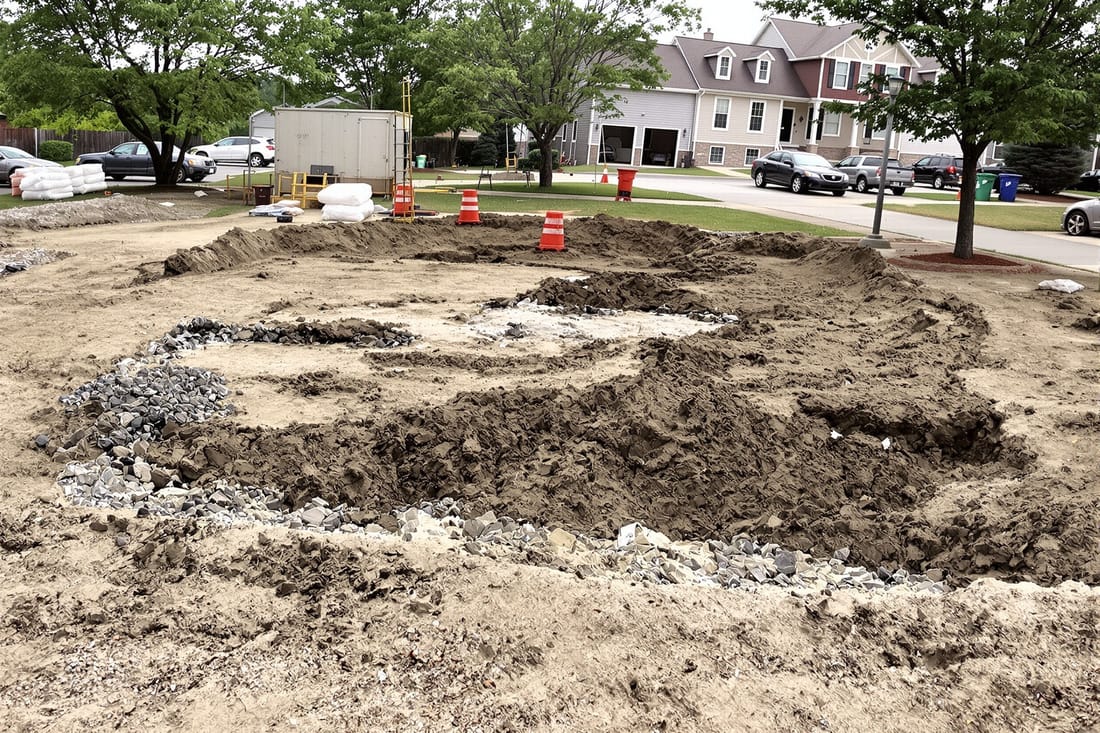
2) Rough clearing and debris removal: Before grading, we remove surface debris, construction trash, excess rocks, and unsuitable organics. On commercial hydroseeding site prep we are looking to eliminate anything that can cause future sink holes, slope sloughing, or prevent even seed contact.
3) Subgrade shaping: Using loaders, dozers, and skid steers we create the basic slopes and pads according to plans, then adjust for real world drainage. For example, in areas that experience Santa Ana events we avoid long straight slopes that concentrate runoff and instead recommend gentle contouring toward approved drainage points.
4) Fine grading and soil loosening: Once the subgrade is shaped, we scarify or rip the surface to relieve compaction. Hydroseeding on a tight, crusted layer fails quickly. We use rippers, harrows, or tracked equipment to break the top 4 to 8 inches, depending on the slope and use, then fine grade with blades and rakes to eliminate birdbaths and ridges.
5) Topsoil placement or amendment: Only after the base is right do we address topsoil (imported or existing). We spread and blend to the specified depth, typically 2 to 6 inches on commercial sites, and prep the final surface for the hydroseeding crew.
Topsoil and Soil Amendment Choices That Work in San Diego Conditions
Topsoil is not just dirt trucked in from anywhere. For commercial hydroseeding to work in San Diego, the material has to fit our local climate, water restrictions, and erosion risks.
Legendary Hydroseeding San Diego sources topsoil and amendments with known texture and organic content, and we adjust the mix to match your project type. For example, a low maintenance native slope behind an industrial building needs a leaner, better draining topsoil than a high visibility office courtyard that will be irrigated and fertilized regularly.
When existing soils are salvageable, we often keep them and use targeted amendments instead of full import. Common local approaches include: gypsum to help fracture tight clay pockets, compost to increase organic matter and water holding capacity without creating a mushy surface, and sand or decomposed granite blending in areas that hold water too long after storm events.
We also pay attention to salt and pH, two common problems for sites close to the coast or where reclaimed water is planned. If the soil test shows issues, we recommend specific corrections and adjust the hydroseed mix accordingly so the vegetation has a realistic chance to establish.
All topsoil placement is followed by controlled compaction or rolling. The goal is a firm but not sealed surface that can support foot traffic and light equipment without rutting, while still allowing roots and water to penetrate.
Grading for Drainage, Erosion Control, and Hydroseeding Performance
Good grading for commercial hydroseeding site prep in San Diego has one job: move water where you want it and slow it where you need vegetation to survive. That is more detailed than just hitting a design slope on paper.
We look closely at how intense but brief rain events behave on your property, because many San Diego storms dump water fast. On slopes, we design and refine the grade so water spreads out instead of cutting channels that strip away seed and mulch. That can mean breaking long slopes into shorter runs, adding rolling contours, or coordinating with your civil engineer on check structures or drains.
On flat pads, the priority is eliminating birdbaths. Even shallow depressions can drown new hydroseeded areas or create muddy hazards around buildings and parking lots. We use straightedges, lasers, and on site flooding tests when warranted to confirm fall before we call the grading complete.
In high visibility commercial areas such as retail fronts and office parks, we balance technical drainage needs with future maintenance. Grades are set to limit scalping by mowers, give clear separation from sidewalks and curbs, and keep irrigation water away from structures. All of this directly affects how well hydroseed establishes and how often you will fight bare spots or erosion later.
What Drives Cost for Commercial Hydroseeding Site Prep
We keep pricing transparent, and it helps if you understand what really drives cost on commercial grading and topsoil work.
Access and hauling: Tight urban sites in places like downtown San Diego or Hillcrest often require smaller equipment and more trips. That means more labor hours compared to an open lot near Otay or Poway where trucks and graders can move freely.
Existing soil conditions: If your site has acceptable soil that only needs loosening and amending, cost stays moderate. If we discover unsuitable fill, large buried debris, or contaminated material that must be removed and replaced, that adds excavation, export, and import costs.
Slope and erosion control needs: Steep slopes require more careful grading, stepped benches in some cases, and often more topsoil depth to anchor root systems. We may also recommend additional erosion control products such as straw wattles or rolled erosion control blankets prior to hydroseeding.
Schedule and coordination: When a project is compressed, we often need larger crews or extended hours to stay ahead of other trades. If our grading must be phased around utility work, concrete, or underground crews, that staging can influence the final cost.
During the initial site walk, Legendary Hydroseeding San Diego identifies these factors early so your budget and schedule are realistic, instead of relying on generic square foot pricing that leads to change orders later.
What To Expect When You Hire Legendary Hydroseeding San Diego
When you bring us in for commercial hydroseeding site prep, grading, and topsoil, you get a defined process and clear communication.
First, we review your civil plans, landscape plans, and any geotechnical reports, then walk the site with your superintendent or property manager. We verify where hydroseeding is planned, how it ties into hardscape and drainage structures, and what equipment can realistically access each area.
Next, we provide a written scope that spells out: rough and fine grading responsibilities, topsoil sources and depths, amendment types and rates if needed, compaction targets, and how the finished surface will be turned over to the hydroseeding crew. This scope is specific to your San Diego site rather than copied from a generic spec.
During work, our foreman coordinates daily with your site supervisor so grading, underground, and paving do not conflict. We sequence prep so hydroseeding can follow quickly, which is important in San Diego where wind and sun can dry out a finished surface in a day or two.
At completion, we walk the finished areas with you, checking grades at problem points like around drains, along curbs, and at the toes of slopes. Any last adjustments are made before hydroseed is applied. The result is a site that is ready for fast, uniform vegetation establishment, with fewer callbacks for erosion, ponding, or bare patches in the months after opening.