Home › Pipeline and Utility Corridor Hydroseeding
Our pipeline hydroseeding in San Diego, CA restores long utility corridors, rights of way, and trench lines. We mobilize for linear projects with consistent specs across miles of disturbed soil. Control erosion, limit dust, and meet restoration requirements quickly after installation.
Legendary Hydroseeding San Diego provides professional pipeline hydroseeding throughout San Diego, CA, California and the surrounding area. Our licensed, insured crew delivers safe, clean, on-time work with a free estimate before anything begins. Call 619-693-1450 or request your free quote.
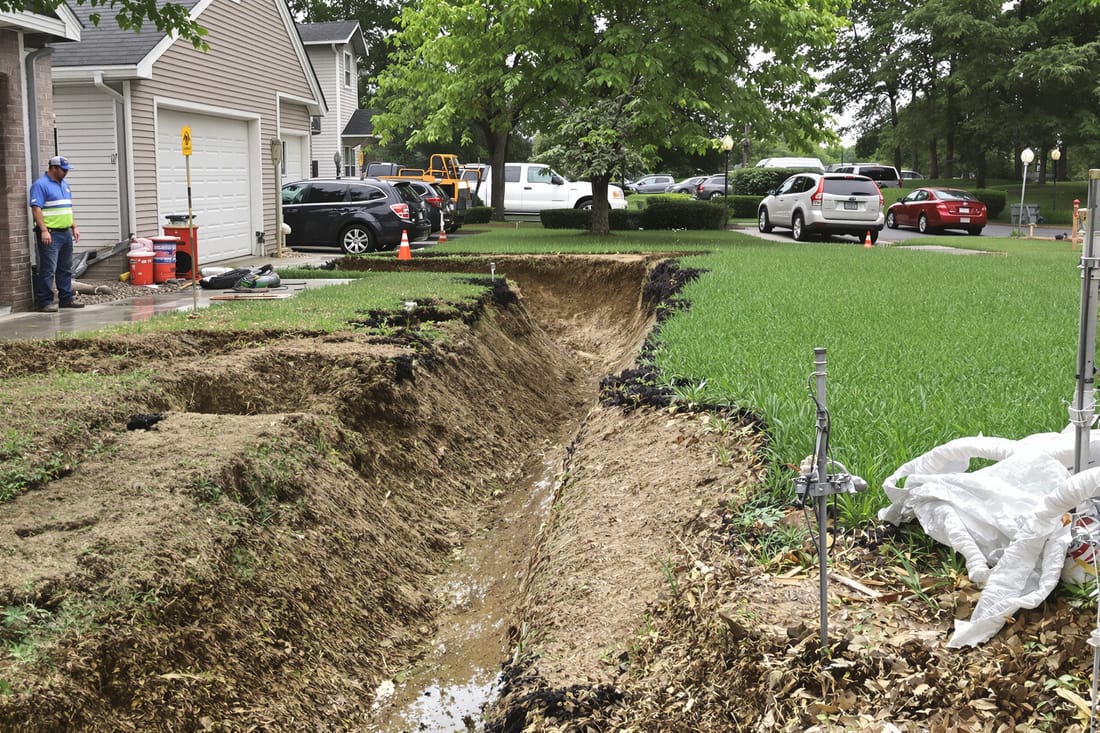
Pipeline and Utility Corridor Hydroseeding in San Diego
Pipeline and utility corridor hydroseeding is not the same as spraying grass on a front lawn. These projects cut long, narrow scars through San Diego hillsides and neighborhoods, so the work has to stabilize soil, protect buried utilities, and meet strict agency standards. Legendary Hydroseeding San Diego focuses on this type of work across gas, water, sewer, fiber, and power line routes.
On a typical pipeline hydroseeding job, we start by walking the entire corridor with your contractor or project manager. We note slope angles, soil type, access points for trucks and hose, and any sensitive areas such as wetlands, drainages, or habitat. In San Diego County, many utility corridors cross decomposed granite, shallow topsoil, and coastal clay, so we adjust the hydroseeding mix and application rates for each section instead of treating the whole corridor the same.
Our crews are used to working within active utility right of ways. We plan water sources, staging areas, and hose routes so we do not stress newly installed pipe or conduit. We schedule our work around pressure tests, backfilling, and inspection windows so hydroseeding is applied as soon as final grading is complete and before the first real storm can cut rills into the work.
Step‑by‑Step: How Corridor Hydroseeding Is Actually Done
Legendary Hydroseeding San Diego treats each pipeline and utility corridor as a sequence of specific tasks, not just a spray day.
1) Corridor preparation: We confirm that final grading is complete and compaction is acceptable, then remove construction debris, large rocks that will interfere with seed contact, and heavy clods. On steeper slopes, we may request small benches or track walking from the grading contractor to reduce slope length and help the slurry stay in place.
2) Soil conditioning: San Diego soils on cut slopes are often low in organic matter. When needed, we apply a light tilling or surface scarification using hand tools on narrow benches, followed by incorporation of compost or soil amendments along critical stretches. For long access-limited runs, we may blend slow‑release fertilizer and soil conditioners directly into the hydroseeding slurry.
3) Mix design: We build corridor‑specific hydroseeding recipes. For native compliance projects, we use seed mixes specified by the project biologist or agency, often including native grasses such as purple needlegrass and wild rye, and for quick green cover on non‑sensitive utility easements we select drought‑tolerant turf or erosion control blends. We adjust fiber mulch rates, tackifier type, and application thickness according to slope, exposure, and expected storm intensity.
4) Application: Our trucks park where access allows, then we run hose along the corridor to reach slopes, swales, and narrow shoulders. The operator keeps a consistent, overlapping pattern so there are no thin spots. On steep cuts, we may apply a two‑step process, first a bond‑enhancing tackifier pass, then a heavier slurry pass to keep everything locked in.
5) Final check and documentation: After application, we walk the corridor to confirm coverage, note any bare spots, and photo‑document the work. Many pipeline owners and agencies in San Diego require photo records tied to stationing, so we prepare those as part of the closeout package.
Hydroseed Mixes, Materials, and Erosion Controls for Utility Corridors
Pipeline hydroseeding needs to do more than grow grass. It must protect the trench backfill, keep access roads passable, and blend the corridor back into surrounding land. Legendary Hydroseeding San Diego uses several material options that we customize to the corridor conditions.
For basic utility easements in urban San Diego, we often use durable turf‑type grasses or low‑growing erosion blends so maintenance crews can mow or drive service trucks without rutting the surface. In coastal and inland habitat areas, we typically work with native seed blends specified in the project plans, and we calibrate our equipment to avoid over‑ or under‑applying these more expensive seed mixes.
Mulch choice and rate are critical on linear projects. On gentle utility alignments beside roads, standard wood or paper fiber mulch can be enough. On exposed canyon pipelines or steep cut slopes along transmission lines, we often specify bonded fiber matrix or high‑performance mulch with strong tackifiers to resist intense winter storms. We match the product to real local conditions, like Santa Ana winds that can strip light mulch, and short but heavy rain events that can sheet off slopes.
We can pair hydroseeding with additional erosion controls when plans or conditions call for it. That might include installing straw wattles along contour lines, reinforcing swales with turf reinforcement matting, or hydroseeding through biodegradable erosion control blankets on the steepest faces. The important point is that we select combinations that a San Diego inspection team will recognize as appropriate for the slope and soil type, not an off‑the‑shelf package.
Permitting, Compliance, and Agency Requirements in San Diego
Utility corridors in San Diego often fall under several layers of oversight. Legendary Hydroseeding San Diego regularly works with general contractors and utility owners to keep the revegetation portion aligned with permits and environmental commitments.
Many projects triggered by trenching or grading disturb more than 1 acre, so they fall under a Construction General Permit and SWPPP requirements. Our hydroseeding specs, product data sheets, and application records can be included directly in the SWPPP documentation to show that post‑construction stabilization has been installed. We can coordinate with your QSD or QSP to hit required application deadlines ahead of forecast storms.
If your pipeline or utility work crosses habitat areas, you might have conditions from the California Department of Fish and Wildlife, the Regional Water Quality Control Board, or local jurisdictions like the County of San Diego. These often spell out seed species, seed origin, and required cover percentages in a certain number of growing seasons. We follow those specs, track the products used by lot number, and provide receipts and labels to support your closeout submittals.
Within the city of San Diego and many local jurisdictions, inspectors focus on visible erosion control along streets and inlets. Proper hydroseeding coverage along utility trenches near sidewalks, curb inlets, and channel entries can prevent correction notices, delays, and rework. Our crews are used to meeting on site with inspectors to walk problem spots and adjust coverage if requested.
Costs, Timelines, and What Drives Price on Pipeline Hydroseeding
Pipeline hydroseeding pricing in San Diego is driven mostly by access, material requirements, and scale. Legendary Hydroseeding San Diego is upfront about what affects your cost so there are no surprises late in the job.
Access and water supply matter first. If trucks can reach most of the corridor from existing roads or easements, costs stay lower. When we have to run long hose lines into canyons, shuttle water, or work around tight residential streets with limited parking, labor time and set up go up. For very remote utility lines, we may need multiple water sources or staging points, which we review with you before work starts.
Material choices also drive price. Native and agency‑specified seed mixes are more expensive than standard erosion blends. High‑performance hydraulic mulch, tackifiers designed for steep slopes, and supplemental soil amendments all add to the per‑acre cost, but they are often cheaper than repairing slope failures or dealing with SWPPP violations later.
Scale and fragmentation play a role. A single continuous stretch of several acres of corridor is more efficient to seed than many tiny scattered reaches separated by long unseeded gaps. If your project has multiple mobilizations or needs us to return as sections of the line open up, we can structure pricing and scheduling accordingly, but each mobilization has a base cost.
In terms of schedule, once grading is finished and access is clear, most linear hydroseeding work moves quickly. Many utility corridors can be hydroseeded in one to three days, depending on length and complexity. Since timing relative to the rainy season is important for germination and erosion control performance, we encourage project teams to involve us when the construction schedule is set, not at the last minute before final inspection.
What San Diego Owners and Contractors Should Know Before Hiring
Before you award a pipeline hydroseeding subcontract, there are a few practical points that can prevent headaches. Legendary Hydroseeding San Diego suggests confirming them with any bidder.
First, verify that the contractor has real experience with linear utility work, not just residential or flat commercial lawns. Ask for past projects that involved long corridors, steep cut slopes, or agency‑mandated seed mixes. The equipment, crew planning, and documentation demands are different.
Second, check that the bidder has access to the specific seed and mulch products your plans call for. Some native or agency‑approved mixes used in San Diego must be ordered ahead of time, and substitutions may not be allowed without biologist or agency approval. We maintain relationships with local suppliers who regularly stock or custom blend these mixes.
Third, discuss how they handle quality control along long corridors. We use stationing, flags, or GPS references tied to your plans so we can document exactly where specific mixes and products were applied. This makes it easier to respond if an inspector or biologist later has a question about a particular reach.
Finally, talk about follow‑up. Hydroseeding on a pipeline is not a set‑and‑forget item. Early months may include weed competition or isolated washouts after large storms. We outline options for touch‑up seeding, weed management coordination with your team, and any warranty terms that fit your project type and agency requirements.
If you need a straightforward, practical approach to pipeline and utility corridor hydroseeding anywhere in San Diego County, Legendary Hydroseeding San Diego can review your plans, visit the alignment, and provide a proposal built around the actual field conditions instead of generic assumptions.