Home › Slope and Bank Erosion Control Hydroseeding
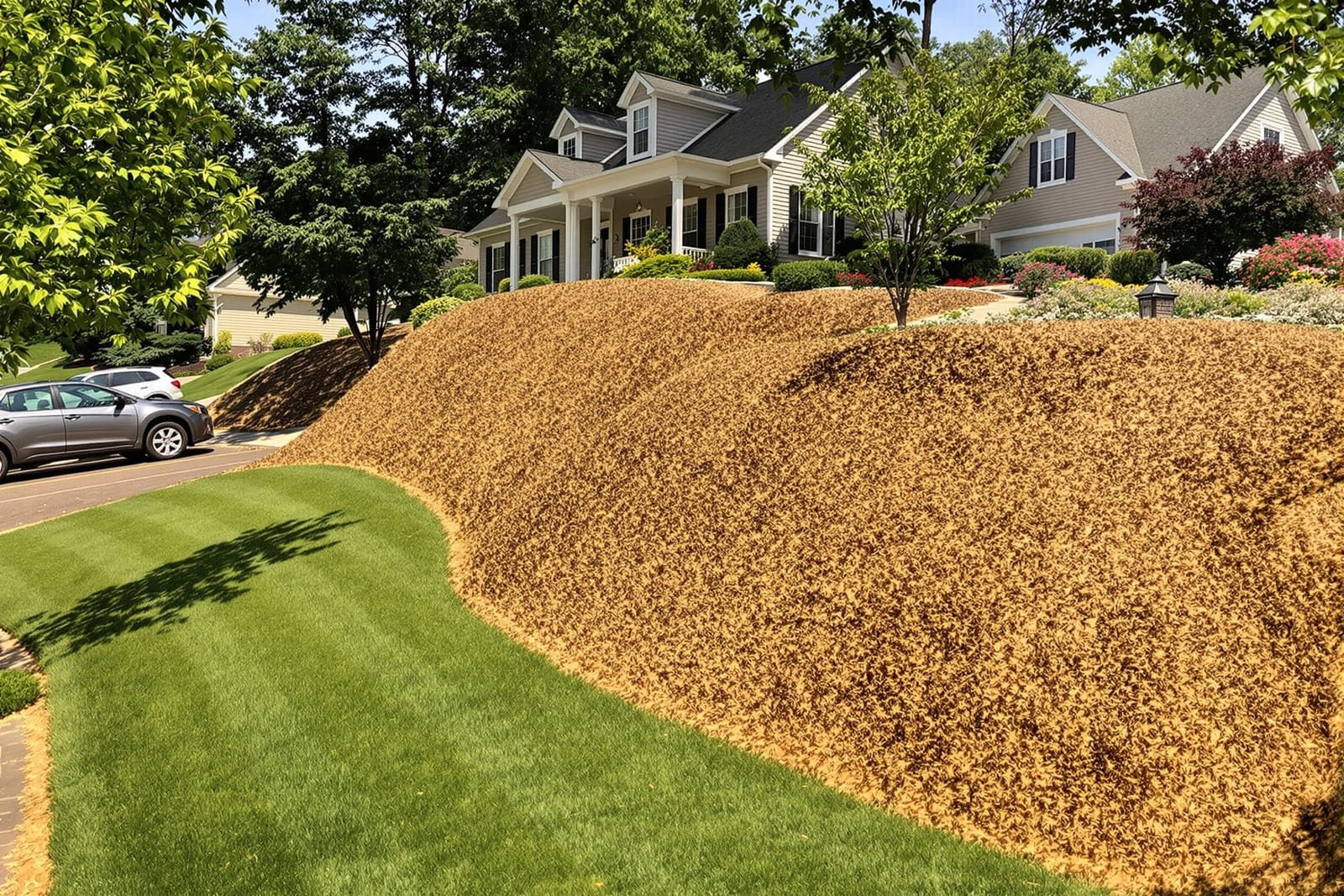
Our residential erosion control hydroseeding in San Diego, CA stabilizes slopes, banks, and ditches around your home. We combine erosion control mulch with seed to lock soil in place and establish deep rooted vegetation. Ideal for hillside yards, drainage swales, and newly graded banks.
Legendary Hydroseeding San Diego provides professional residential erosion control hydroseeding throughout San Diego, CA, California and the surrounding area. Our licensed, insured crew delivers safe, clean, on-time work with a free estimate before anything begins. Call 619-693-1450 or request your free quote.
Slope & Bank Erosion Control Hydroseeding in San Diego
Steep slopes and bare banks in San Diego do not stay bare for long. Winter rains cut ruts, and summer heat bakes exposed soil until nothing will take root. Legendary Hydroseeding San Diego focuses on residential erosion control hydroseeding that is built specifically for these conditions, not a one-size-fits-all seed mix.
On this service, we are not just spraying grass. We are building a temporary protective blanket and a permanent root system that work together to hold soil in place. That means choosing the right seed blends for your slope angle, soil type, and sun exposure, then applying mulch, tackifiers, and soil amendments in the right proportions so the slope can actually withstand heavy rain.
Most of our work is with homeowners who have new grading cuts, canyon edges, drainage swales, and side yard slopes that are too steep or unsafe to mow. Our goal is simple: get fast, dense vegetation started so runoff slows down and the soil stays put. The details of how we do that are what really make the difference.
How Residential Erosion Control Hydroseeding Is Actually Done
A typical slope and bank erosion control hydroseeding project with Legendary Hydroseeding San Diego follows a clear sequence.
First, we walk the site with you. We look for existing rills or gullies, signs of soil movement, hardpan clay, and any irrigation infrastructure. We measure slope length and steepness and identify areas where water naturally concentrates, such as the bottom of a V-ditch or at the base of a retaining wall.
Second, we prepare the slope. For most residential sites this means light grading with hand tools or small equipment to knock down sharp ridges, fill small washouts, and remove large rocks or debris. On very smooth decomposed granite or compacted clay, we often scarify the surface a couple of inches so roots can penetrate instead of skating off a hard crust.
Third, we customize the slurry. For erosion control work we increase mulch rates compared to cosmetic lawn jobs. The tank is loaded with a specific mix of: erosion control seed blend, cellulose or wood fiber mulch, tackifier (a glue-like bonding agent), starter fertilizer, and sometimes gypsum or organic amendments if your soil test shows high salts or very low organic matter.
Fourth, we spray from the bottom of the slope upward, overlapping each pass so there are no bare streaks. On very steep or tall slopes we may use extended hoses to reach the top without tracking equipment on the face of the slope. If an area is particularly prone to concentrated flow, such as a drainage swale, we might double-apply mulch or use a heavier tackifier rate there.
Finally, we walk the slope again with you, pointing out where to watch for early erosion, how to water so the mulch crust is not broken up, and what germination stages to expect in the first 2 to 8 weeks.
Materials, Seed Options, and Design Choices for Slopes
Not all erosion control hydroseed mixes are the same. Legendary Hydroseeding San Diego uses different blends depending on your goals, neighborhood restrictions, and fire or fuel load concerns.
For year round green cover on visible residential slopes, we often use a blend of deep rooting turf-type fescues and perennial rye, sometimes with a small percentage of native grasses. These establish relatively quickly and can be mowed if you can safely access the slope.
For low maintenance banks or canyon edges where mowing is impossible, we lean toward drought tolerant blends that can survive on limited irrigation once established. These often include hard fescue varieties with clumping growth that help knit the surface together without creating a thatch mat that can slide.
Where fire risk is a concern, especially near canyon rims or wildland interfaces, we avoid tall, heavy thatch-forming species. Instead, we specify shorter, fine-textured grasses that can be irrigated moderately so they stay green longer and are less likely to ignite. We can also incorporate certain low growing groundcovers into the mix when appropriate.
Mulch type is another design choice. Wood fiber mulch offers superior erosion resistance on steeper slopes compared to basic paper mulch, although it costs more. For highly erodible areas we may increase mulch rates up to 3,000 pounds per acre and combine wood fiber with a strong tackifier to create a bonded fiber matrix that resists sheet flow.
In some cases, we design the hydroseed system around existing drainage features. For example, we may leave strips for rock or cobble dissipators, or coordinate with your contractor to place check dams in swales, then hydroseed between these structures so vegetation and rock work together.
San Diego Climate, Timing, and What To Expect After Spraying
San Diego’s Mediterranean climate strongly affects when and how residential erosion control hydroseeding should be done. We plan projects around two main weather realities: intense winter storm cells and long, dry summers.
For slopes at immediate risk of washing out, we can hydroseed almost any time of year if you have irrigation. However, the most effective natural window is late fall through early spring, when cooler temperatures and periodic storms help keep the mulch moist and support germination without constant watering.
During summer and early fall, hydroseeded slopes rely heavily on irrigation. If there is no way to get water to the bank, we will discuss whether temporary hose bibs, drip lines on the slope, or portable sprinklers are realistic. Without moisture, even the best seed and mulch simply will not establish.
You should expect visible color from the mulch on day one. Within 7 to 21 days in mild weather, you will see the first green haze across the slope. Erosion resistance improves as roots develop, not just when the slope looks green. The first 6 to 8 weeks are the most critical. Heavy foot traffic, pets scrambling up and down, or aggressive hose watering can break the mulch cap and open channels for water to start carving.
Legendary Hydroseeding San Diego provides specific watering schedules based on your slope orientation. A south facing bank that bakes from midday sun might need three short watering cycles per day at first. A north facing shaded slope may only need one or two. We also explain how to back off watering gradually so roots chase deeper moisture instead of staying shallow.
Costs, Site Conditions, and Common Problems We Solve
The cost of slope and bank erosion control hydroseeding in San Diego depends on several tangible factors.
Slope height and access have the biggest impact. A simple 4 foot high front yard bank along a sidewalk is much less expensive than a 25 foot canyon slope behind a home that we must reach with long hoses. Steepness matters as well. The steeper the slope, the higher the mulch and tackifier rates we recommend, and that increases material cost.
Soil condition is another driver. Hard, compacted clay that needs scarification or repair of existing rills requires more labor than a freshly graded, lightly roughed slope. If we need to coordinate with other trades, such as drainage or retaining wall contractors, scheduling and setup time can also affect the quote.
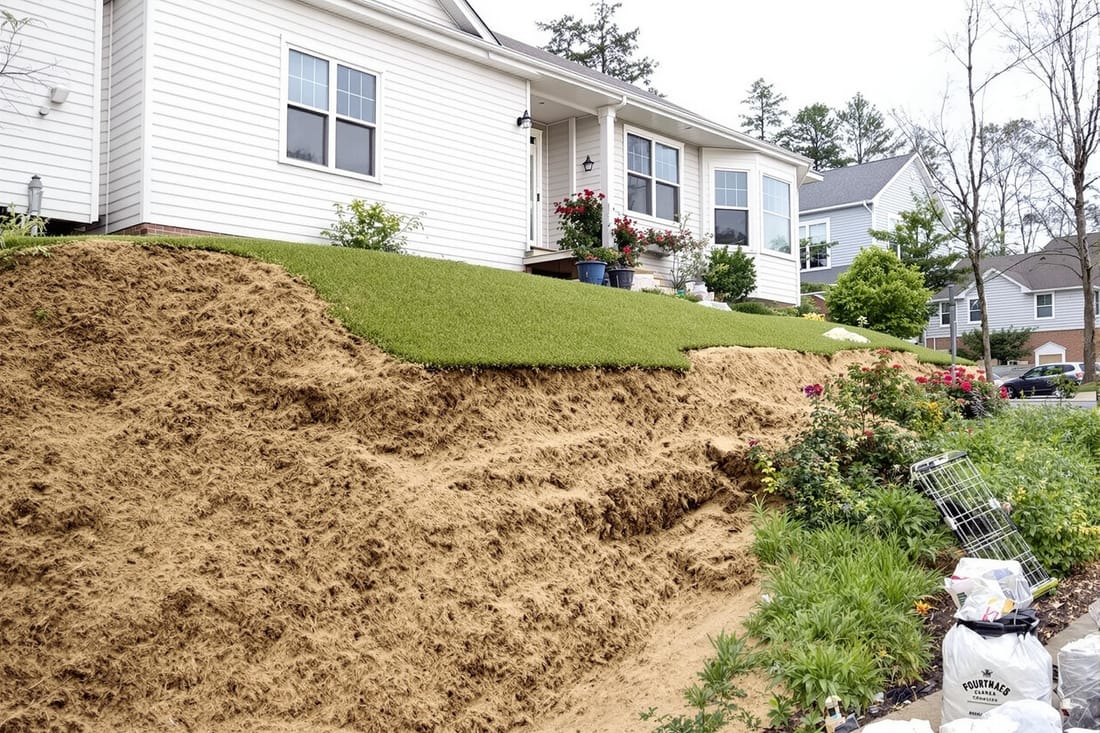
Common problems we solve include: slopes where sod failed repeatedly because it was too steep to root, banks that develop new ruts every winter storm, and side yard cuts where builder-installed straw and seed never really took. In many of these cases we correct the grading to remove water traps, then apply a heavier duty hydroseed mix specifically for erosion resistance.
When homeowners call us after a storm has already carved channels in a new slope, we first stabilize the worst areas with simple grading or small rock checks, then hydroseed over that improved surface. For very localized problem spots, we can return to spot spray additional mulch and tackifier instead of redoing the entire slope.
We are upfront when hydroseeding alone is not enough. Extremely steep, near vertical cuts or actively failing slopes sometimes require hard engineering solutions such as retaining structures or geogrid reinforcement. In those cases, we will explain the limitations clearly instead of overselling what vegetation can do.
How Legendary Hydroseeding San Diego Works With Homeowners
Residential erosion control projects only work if the homeowner understands their role after the spray day. Legendary Hydroseeding San Diego spends time on site explaining where you can and cannot walk, how to manage pets, and how to keep landscapers or pool contractors from disturbing the slope while it is vulnerable.
Before we schedule, we confirm that the slope surface is ready, that other construction that might disturb the bank is complete, and that water is available in the areas we will treat. If you are still planning drainage, fencing, or retaining elements, we recommend finishing that work first so the hydroseed is not torn up later.
On the day of application, we protect walkways, walls, and patios near the slope from overspray. Once the slurry is down, we leave you clear written instructions for irrigation and early care. We also describe what is normal and what is not. A little surface cracking in the mulch as it dries is fine. Deep rills that expose soil are not, and we want you to call us if you see them.
Our follow up is practical. We can schedule a quick check after the first few heavy rains of the season or after the main germination period, especially on larger residential slopes. If we see thin spots, we can discuss overseeding, adjusting irrigation, or addressing concentrated flow areas.
In short, our process is focused on making your slope stable and manageable over the long term, not on leaving you with a surface that looks green for a month then washes out. By combining realistic site assessment, tailored materials, and clear homeowner guidance, Legendary Hydroseeding San Diego helps San Diego residents turn risky bare slopes into durable vegetated banks that stand up to local weather.