Home › Slope, Embankment, and Retention Pond Hydroseeding
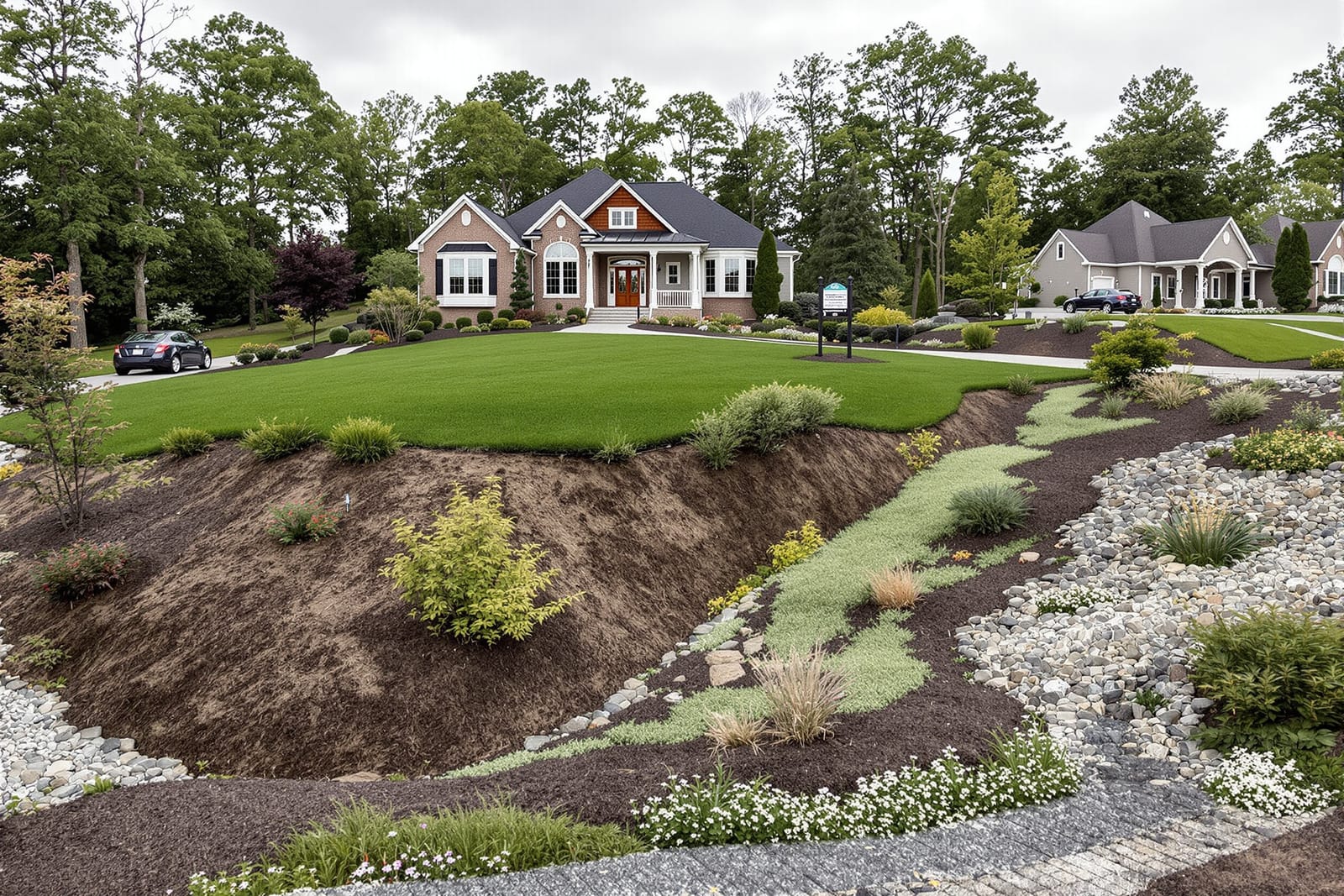
We provide commercial slope hydroseeding in San Diego, CA for embankments, channels, and retention ponds. Our crews treat difficult access areas safely and uniformly. Establish permanent vegetation in basins and on steep slopes to control erosion and improve appearance.
Legendary Hydroseeding San Diego provides professional commercial slope hydroseeding throughout San Diego, CA, California and the surrounding area. Our licensed, insured crew delivers safe, clean, on-time work with a free estimate before anything begins. Call 619-693-1450 or request your free quote.
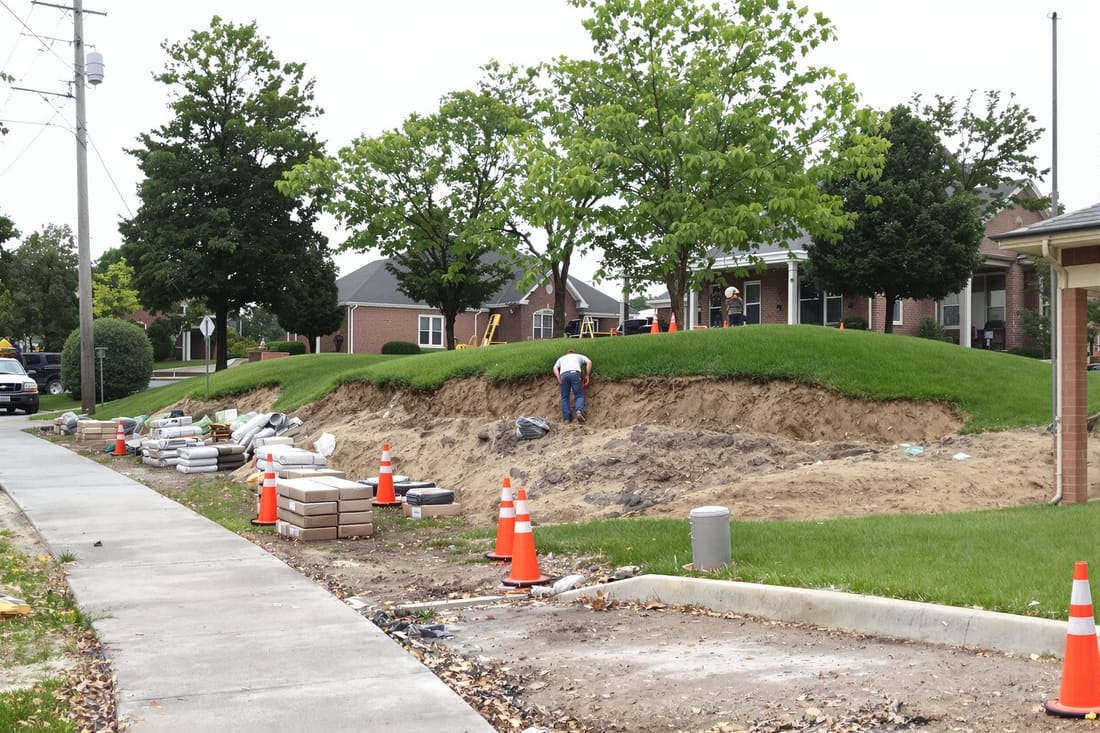
Hydroseeding for Slopes, Embankments, and Retention Ponds in San Diego
Steep slopes and retention ponds in San Diego do not behave like flat lawns. They erode faster, dry out quicker, and are harder and more dangerous to work on. Legendary Hydroseeding San Diego focuses on commercial slope hydroseeding that is designed for Southern California soils and our hot, dry seasons.
On a typical slope or embankment project, our first step is a site walk. We look at slope angle, soil type, drainage paths, access for hoses or equipment, and existing vegetation. A 2:1 slope (two feet horizontal for every foot vertical) needs a different approach than a shallow roadside shoulder. We also note nearby hardscape, storm drains, and sensitive areas like creeks or HOA property that must be protected from overspray and runoff.
Hydroseeding for retention ponds and drainage channels is different again. These areas have fluctuating water levels and sometimes long dry periods. We select seed mixes and mulch types that can handle standing water at times, but still root well when water recedes. We also pay attention to outflow structures and inlets so seed and mulch do not clog grates or pipes during the first few storms.
Because this work often sits next to public roads and commercial properties, our crews use safety cones, signage, and traffic control if needed. We plan hose runs so we are not dragging lines across traffic lanes or neighboring properties. All of this planning reduces risk and ensures your slope or pond area gets even coverage that will actually grow and hold the soil in place.
How Commercial Slope Hydroseeding Actually Works
For commercial slope hydroseeding in San Diego, we run a multi step process that keeps erosion control and plant establishment in balance.
1) Grading and surface prep: If the slope is freshly graded, we confirm that the final grade sheds water correctly and does not create gullies. On older slopes, we remove loose debris, trash, and excessive weed growth. We generally do not till steep slopes, because disturbing them too much can cause more slippage. Instead, we lightly scarify the surface where safe so the hydroseed slurry can bond.
2) Tackifier and mulch selection: Slopes and pond banks usually need a higher rate of mulch and a stronger tackifier than flat ground. We adjust the pounds of wood or paper mulch per 1,000 square feet based on slope angle. On very steep faces we may recommend a bonded fiber matrix, which forms a tougher crust that resists heavy rain. Tackifiers are mixed into the tank so that, when sprayed, the slurry sticks to the soil and does not just slide down the face.
3) Seed and soil amendments: For most San Diego commercial slopes we use region appropriate blends, such as deep rooted fescues, drought tolerant ryegrasses, or native mixes for long term stability. If you have agency or project specs, we match those varieties and application rates. We may add starter fertilizer, soil conditioners like gypsum for high clay soils, or mycorrhizae to help roots spread in poor cut slopes.
4) Application pattern: Our crews spray uphill in controlled passes so the slurry keys into the soil instead of washing off. On very steep or tall slopes, we use long hose runs or use equipment from the top of the slope, depending on access and safety. For retention ponds, we treat the high water line differently from the upper banks, sometimes using one seed mix for constantly wet zones and another for intermittently wet areas.
5) Post application checks: Before leaving, we verify coverage thickness, look for thin spots, and correct them immediately. We also walk drainage paths and inlets to remove any overspray that could interfere with stormwater structures.
Timing, Local Conditions, and Erosion Challenges in San Diego
San Diego’s climate shapes how and when slope, embankment, and retention pond hydroseeding should be done. Our warm, dry summers and short, sometimes intense rainy periods mean timing is important.
The most forgiving windows for commercial slope hydroseeding here are late fall and early spring. In late fall, soils hold residual warmth from summer, and the first seasonal rains help germinate seed without constant irrigation. In early spring, cool nights and mild days support root development before the heat of summer. That said, construction schedules do not always allow ideal timing, so we also hydroseed in summer and winter but adjust the approach.
In the hot months, we recommend either a temporary irrigation plan or a seed mix that tolerates stress and partial establishment, followed by overseeding later if needed. On exposed south and west facing slopes, we may increase mulch rates to reduce evaporation and surface temperature. For winter projects, we factor in the risk of heavy storms. On vulnerable slopes we may add a fiber matrix or pair hydroseeding with erosion control blankets or straw wattles to stop rilling and small slides.
Common slope issues in San Diego include decomposed granite that sheds water instead of absorbing it, imported fill that compacts too tightly, and slopes that direct runoff straight into city storm drains or neighboring properties. Legendary Hydroseeding San Diego looks at how water moves on and around your site. We may suggest minor grading adjustments, check dams, or drainage swales, and then design the hydroseed application to support that drainage layout.
For retention ponds and basins, local stormwater regulations often require vegetated side slopes to slow runoff and filter sediment. We design our seed mixes and schedules to help you meet those performance goals, and we work alongside engineers or inspectors if your project is part of a larger commercial, industrial, or public works job.
Costs, Options, and What Affects Your Hydroseeding Price
Commercial slope hydroseeding pricing in San Diego depends on more than just total square footage. When you contact Legendary Hydroseeding San Diego, we look at several factors before giving a firm quote.
Access: If we can park close and spray directly from the truck, costs are lower. Long hose runs up or down slopes, or limited access behind buildings or sound walls, take more time and labor. Retention ponds with only one narrow access point or high fence requirement will also impact price.
Slope severity and risk: Gentle embankments might only need standard mulch and tackifier. Very steep or tall slopes, especially above roads, buildings, or parking areas, typically require higher mulch rates, stronger tackifiers, or bonded fiber matrices. This adds material cost but significantly reduces the chance of failure and rework after a storm.
Seed and specification requirements: Some commercial and public projects must follow agency specs for specific seed varieties, pure live seed rates, and mulch types. Native or specialty seed blends and certified erosion control products are more expensive than basic turf mixes, but they are often necessary to meet permit conditions or long term maintenance goals.
Site prep and repairs: If your slope is already well graded and free of deep ruts, prep is straightforward. If there are existing rills, slumps, or construction damage, we may need to fill low spots, compact small slides, or coordinate with your grading contractor to stabilize unstable areas before hydroseeding. Retention ponds sometimes need sediment removal or reshaping at the water line so vegetation can establish properly.
Irrigation and warranty expectations: Hydroseed is not paint. It needs water to grow. If there is no permanent irrigation, we may recommend temporary water trucks or portable sprinklers, especially in warm months. We can provide clear watering schedules, but actual watering is usually on the owner or landscape contractor. When we know watering and access will be reliable, we can often be more aggressive with seed choices and denser coverage, which affects both cost and results.
What You Should Know Before Hiring a Hydroseeding Contractor
Before you hire anyone for commercial slope hydroseeding in San Diego, it helps to know what to ask and what to look for.
Ask how they handle steep and difficult access sites. A contractor experienced with flat residential lawns might not have the right hoses, nozzles, or safety practices for high embankments, pond berms, and freeway adjacent slopes. At Legendary Hydroseeding San Diego, our crews are trained to work with fall protection where needed and to coordinate with general contractors, traffic control teams, and inspectors.
Clarify the exact mix to be used. You should know which seed varieties, mulch type, tackifier, and fertilizer are going in the tank. Reliable contractors can provide a written breakdown tied to your quote, and can adjust for specific project or agency requirements. If you have an engineer’s or landscape architect’s plan set, we match those specs instead of guessing.
Discuss erosion control expectations. Hydroseeding itself is one tool. On challenging slopes, especially over compacted subgrades or long, unbroken faces, hydroseed is usually combined with wattles, blankets, or other structural measures. If a bidder insists that seed and mulch alone will solve a serious erosion problem without evaluating your site, that is a warning sign.
Get realistic establishment timelines. In San Diego, you will usually see germination within 7 to 21 days depending on the time of year, but full cover takes longer. For slopes, the root system is more important than the visible green top. We explain what you can expect week by week and what maintenance is required. Proper watering, keeping foot traffic and equipment off soft slopes, and addressing small ruts early are all part of protecting your investment.
Finally, confirm insurance and references for similar work. Ask specifically for slope, embankment, or retention basin projects, not just flat lawns. When you work with Legendary Hydroseeding San Diego, you get a contractor that lives in this region, understands local soils and weather, and has hands on experience stabilizing commercial slopes and ponds from Chula Vista to Oceanside.